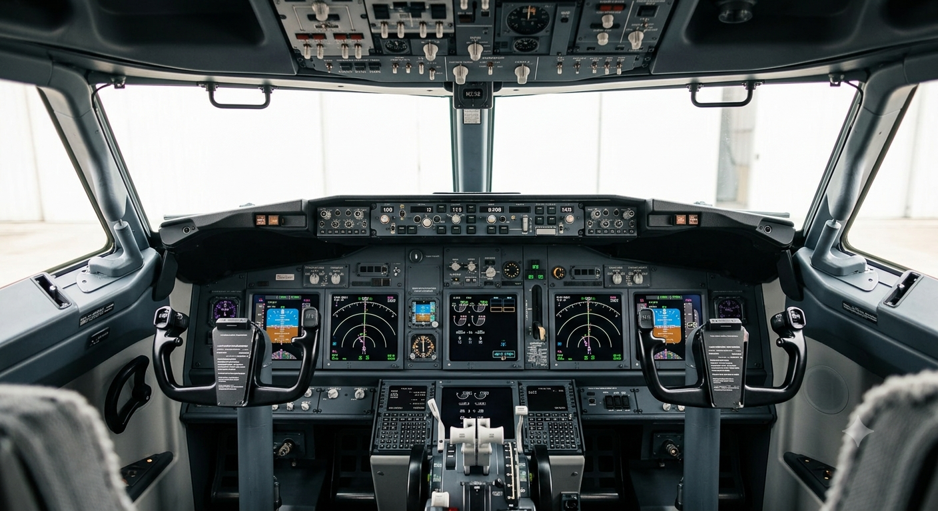
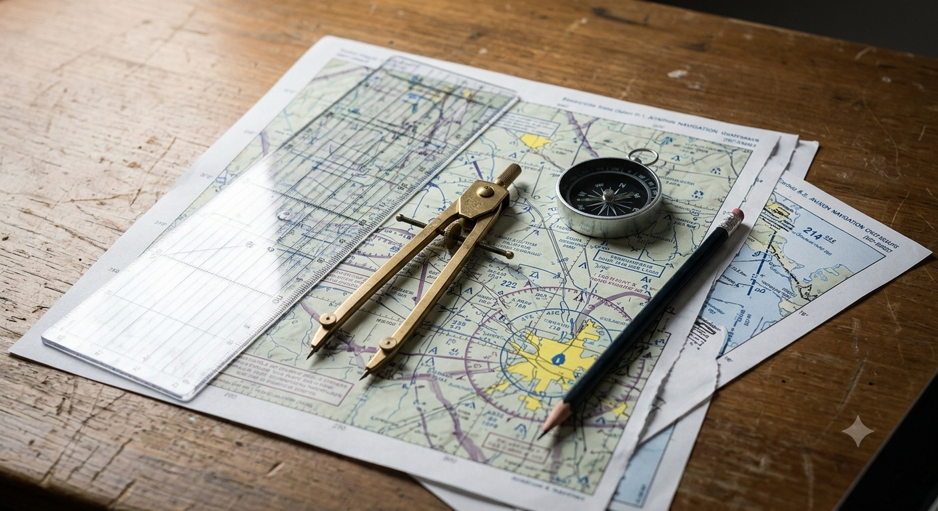
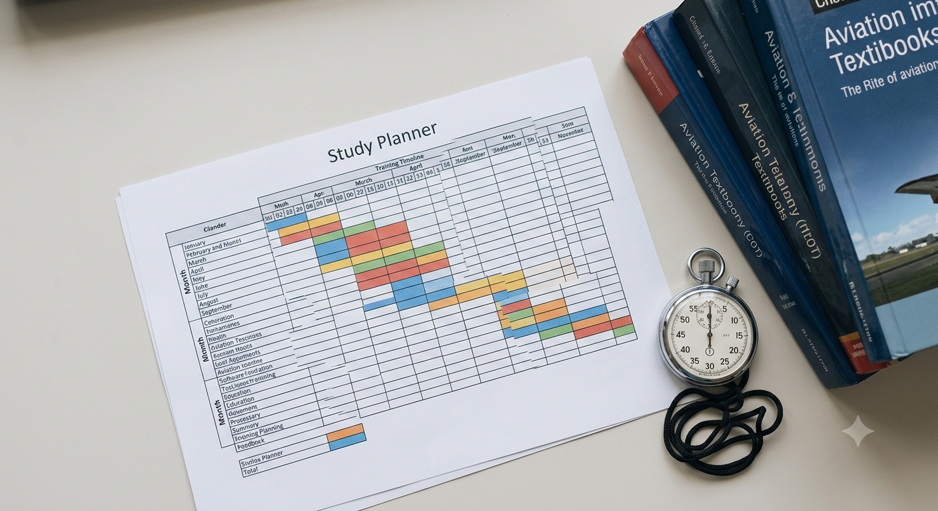
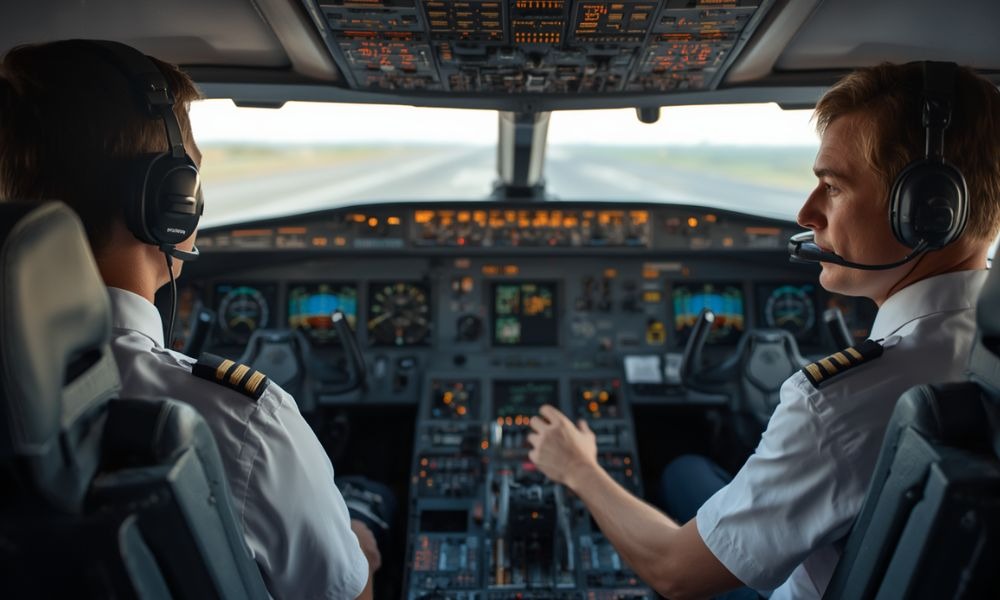
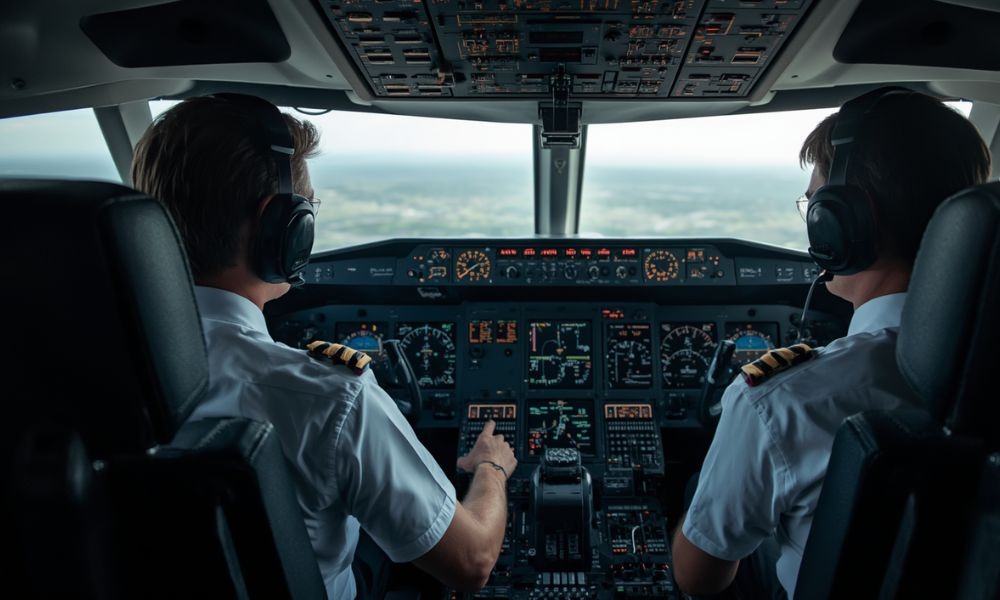
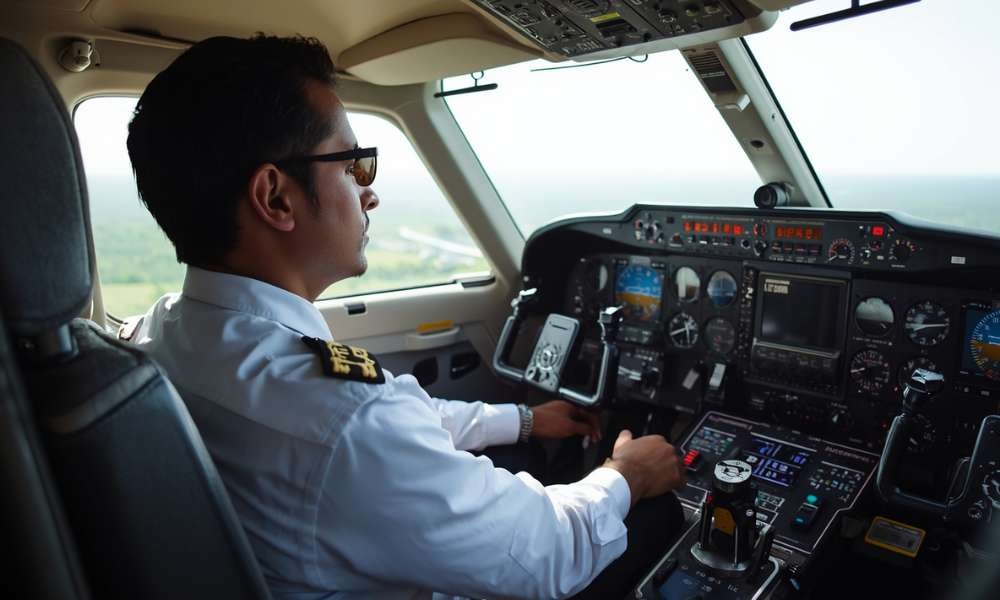
So you’ve decided to pursue your Commercial Pilot License. Before you spend serious hours in the cockpit, there’s a less glamorous but equally critical phase waiting for you: ground training. It doesn’t get the same attention as actual flying, but it shapes how prepared you’ll be once you’re in the air.
Here’s what it actually involves and how to get through it without losing your mind.
CPL ground training is the classroom-based theory component of becoming a commercial pilot. While flight training teaches you to handle an aircraft, ground school teaches you why you’re doing what you’re doing: the science, regulations, and systems behind every maneuver you’ll eventually perform. You can’t sit for your CPL exams, and in most cases can’t even progress meaningfully in flight training, without completing this theoretical groundwork first.
It helps to think of it as the foundation rather than a formality. A pilot who understands why an aircraft behaves a certain way in turbulence, or why a particular airspace has specific entry rules, flies with more judgment than one who has simply memorized checklists. Skip ground school or rush through it, and everything you build on top, including your actual flying skills, ends up shakier than it should be.
Key Subjects You’ll Study
CPL ground training typically covers five core subjects, and each one is tested separately by the regulator.
Air Navigation deals with plotting routes, calculating fuel requirements, correcting for wind, and reading charts accurately. Aviation Meteorology covers weather systems, cloud formations, and how atmospheric conditions affect flight safety. Air Regulations lays out the legal framework governing aviation, including airspace rules and licensing requirements.
Technical General and Technical Specific go into aircraft systems, engines, and the aerodynamics that keep everything functioning. Radio Telephony, often shortened to RTR, focuses on standard phraseology and procedures used in air-to-ground communication.
Most students find Navigation and Technical the toughest of the five, simply because both rely heavily on calculations rather than memorization. If you’re someone who’s more comfortable with concepts than numbers, these two subjects will likely demand the most consistent practice.
How Long It Takes
Most CPL ground training programs run anywhere from six to twelve months, depending on whether you’re studying full-time or balancing it alongside flight hours. Some institutes offer accelerated tracks that compress this into a few intensive months, though that route usually means long study days with little room to breathe.
Your actual timeline depends a lot on how many subjects you clear on your first attempt. A failed exam doesn’t just cost you the retest, it usually means a re-study period before you’re eligible to sit again, and that can add weeks or months to your overall plan. This is why most experienced instructors recommend pacing your preparation rather than treating every exam as a one-shot attempt to get through quickly.
What a Typical Day or Class Looks Like
Ground school days usually combine lecture-style teaching with self-study blocks. A typical day might include three to four hours of classroom instruction focused on one or two subjects, followed by practice numericals, especially for Navigation, where repetition genuinely makes a difference. Many institutes also build in group discussions or doubt-clearing sessions, since concepts like meteorology or regulations are easier to retain when you talk them through with peers rather than just reading silently.
Most programs also send students home with question banks and take-home material for evening revision. A growing number of institutes now offer online or hybrid ground schools as well, letting students attend live or recorded lectures remotely and show up in person only for exams or specific practical sessions. This flexibility has made ground training considerably more manageable for students juggling other commitments.
Exams and Passing Criteria
Each subject has its own written exam, usually multiple-choice, and conducted by your country’s aviation regulator, such as the DGCA in India or the FAA in the US. You’ll typically need to score above a minimum threshold, commonly around 70 percent, to clear each paper.
Most regulators allow only a limited number of attempts within a set period before requiring you to restart the subject entirely. This detail matters more than students initially realize, since it directly affects how you should plan your study schedule. Knowing how to clear DGCA exams and the pattern most papers follow lets you budget your preparation time far more realistically instead of assuming you’ll figure it out as you go.
Tips to Get Through It Successfully
Don’t leave Navigation for the end. It’s calculation-heavy and improves with daily practice rather than last-minute cramming. Question banks are worth using seriously, since most exams tend to repeat patterns from previous years’ papers, and recognizing those patterns early gives you a real edge.
Studying in short, focused blocks tends to work better than marathon sessions, mainly because retention matters more than total hours logged. If you can manage it, form a study group. Talking through tricky concepts like meteorological systems or regulatory frameworks with peers often cements understanding faster than solitary revision. And don’t underestimate RTR practice. It feels like the lightest subject on paper, but it trips up a surprising number of students during practical communication checks, simply because they didn’t treat it with the same seriousness as Navigation or Technical.
What Comes Next: Flight Training
Once you’ve cleared your ground exams, you move into, or continue, flight training, where you log the actual hours required for your CPL. The theory you just spent months learning becomes directly relevant here. Understanding weather reports, working through navigation calculations, and following radio procedures isn’t academic anymore, it’s what keeps you and everyone around you safe in the air.
Many schools structure ground and flight training to overlap, so don’t be surprised if you’re still flying while finishing your last theory paper. This overlap is intentional in most programs, since the DGCA CPL requirements in India allow certain flight hours to be logged before every ground subject is cleared, provided key prerequisites are already in place.
FAQ’s
How long does CPL ground school take?
Typically six to twelve months, though intensive programs can compress this timeline significantly if you’re studying full-time.
Can it be done online?
Yes, many institutes now offer online or hybrid ground school options, though exams are usually still conducted in person through your regulatory authority.
Which subject is the hardest in CPL ground training?
Most students find Air Navigation and Technical the toughest, since both involve heavy calculations rather than straightforward memorization.
Do I need to finish ground training before I start flying?
Not always. Many schools let you begin flight training while you’re still completing ground school, as long as certain prerequisite exams are cleared first.
What happens if I fail a ground exam?
You’re usually allowed a limited number of re-attempts within a set timeframe. It’s worth checking your regulator’s specific rules early, since repeated failures may require you to restart that subject.
One of the first important steps for every aspiring aviator is to choose the correct pilot licence. At first, aviation appears to be a tough pill to swallow for newcomers. This is, of course, followed by examinations and subjects in medicine and ground-school, hours required to be logged before being able to take a practical test, payment for lessons and all sorts of strange abbreviations.
PPL and CPL are two other major common abbreviations among these. The Private Pilot Licence is primarily for the purpose of recreational flying and the Commercial Pilot Licence is for those who want to make an income as a professional pilot.
PPL Vs CPL: What Is Better For You? Growing Focus Area List Training can assist you in avoiding needless costs and selecting a training path that fits your goals.
PART 1 Why You Should Choose The Right Pilot Licence
Becoming a pilot is time consuming, laborious and extremely expensive. Before committing, it helps to understand the full pilot course fees and duration in India so you can plan your finances realistically. An early bad course could cost you a little more money or push your aviation goals further away from your timeline.
For example, a student who only desires to fly for personal pleasure may not require the professional training necessary with a CPL. Conversely, a person aspiring to become an airline pilot, charter company employee or flight school instructor will require levels that exceed that of a PPL.
Thus your selection should be aligned more with the long term goals rather than just the prestige factor of a particular licence.
What Is Private Pilot Licence?
Known as PPL (Common abbreviation for Private Pilot Licence) that an individual can fly appropriate aircraft, and perform private and recreational purposes.
If you hold a PPL, you can typically fly others as well and cross from airport to airport or just fly for fun, but must abide by the DGCA commercial pilot licence requirements in India and the guidelines set forth by the local civil aviation authority.
On the other hand, a PPL does not usually enable their pilot to be paid when flying. Thus makes it better for hobby pilots, plane owners and those looking to dip their toe in approved aviation before following through with a paid job.
Commercial Pilot Licence (CPL) Explained
The Commercial Pilot Licence, or CPL, allows pilots who hold this rating to be compensated for different types of flying jobs.
CPL holders can seek employment in areas such as charter work, flight training, aerial survey, cargo transportation and other commercial aviation services. Specific positions could still need additional ratings or experience.
Commercial training surpasses that of civilian training. A higher level of precision and domain theory and more weight-age to their decisions is expected from students.
PPL AND CPL: The Primary Difference
The basic distinction between a PPL and CPL is related to the nature of flying.
A PPL is for private use only. A CPL is for professional aviation purposes.
Both types of licences require formal lessons, theoretical training and practical tests. But commercial training generally has more hours in the air, tougher medical standards, and higher performance pressure.
Who Should Choose a PPL?
A PPL may be the right choice if you want to:
Fly for recreation
Take friends or family on private flights
Travel in a small aircraft
Experience pilot training before choosing a career
Build a foundation for advanced licences later
For many beginners, a PPL is the most accessible entry point into aviation.
Who Should Choose a CPL?
A CPL is more suitable for students who want to build a professional flying career.
You should consider commercial pilot training if you hope to become a:
Pilot licence rules differ by country and aviation authority. The minimum flight hours, medical standards, examination procedures and DGCA syllabus requirements and training costs may differ by a significant margin from region to region.
It is however important that students always consult with their national civil aviation authority for further clarification of the appropriate regulations.
Local weather, availability and types of aircraft can also affect the pace of completion of training.
Comparing Local Flight Schools
A good flight school can make a big difference in your progress.
Prior to enrolling, verify the official approval from the school and check if they have adequate aircraft and instructors available. For a curated list of DGCA-approved flying institutes in India for 2026, you can compare your options before making a commitment. Find out how often students are able to book lessons and if weather-related cancellations are frequent.
Compare total cost of the training, not just the hourly rate.
PPL training is also cheaper in the overall sense as it takes fewer hours to solo and requires less advanced instruction.
CPL training is often significantly more expensive. This is the cost of hour building, advanced ground school, examinations, medical certificates and extra ratings that students will have to pay for.
Before starting either course it is very important to have a clear budget.
PPL and CPL Students: Medical Requirements
Early screening for medical eligibility is essential.
Various classes of medical certification are required of private pilots and commercial pilots. However, the medical requirement is usually stricter for commercial applicants. It is advisable to complete the DGCA pilot medical test before making any major financial commitment, to avoid financial and emotional turmoil later.
PPL Vs CPL: Which is the Right Choice for Recreational Flying?
If you are going to fly recreationally, the PPL is typically the best choice.
It offers you the training and privileges to fly aircraft privately without the extra investment required for commercial qualification.
If a student’s interests are dynamic, they may add ratings or progress toward a CPL later on.
PPL Vs CPL: Which is the Better Choice for Your Pilot Career?
CPL is the path of choice for a professional aviation career.
It enables pilots to find compensated flight gigs and move further along their path towards advanced flying positions. In the case of aspirant airline pilots, they would also need an instrument rating, multi-engine qualification and more flight hours.
Therefore the CPL must be regarded in a wider career pathway.
Conclusion
No one pilot licence is better than the other. The correct method depends on your reason to fly!
Select a PPL if your intent is personal pleasure or travel for recreational use, or as an introduction to aviation. Pick a CPL if you plan to make money as a pilot and have the extra training, cost, and responsibility.
PPL Vs CPL: Which Pilot Licence To Choose? This question is easier to answer when you are clear on your goals, look at local training options and put together a realistic budget.
FAQs
What’s the primary difference between PPL and CPL? A pilot may be compensated for professional flying activities including charter services, cargo transport, and flight training with a Commercial Pilot Licence (CPL).
Can I get a PPL and then a CPL? Yes. Many pilots start with a PPL to acquire experience and then get a CPL after further flight hours, theoretical instruction, and medical and regulatory requirements. If you are planning this path, it is worth reading up on how to clear DGCA exams in India to understand what the examination process involves.
Which licensing costs more, PPL or CPL? Due to its greater flying hours, training, certifications, and operating requirements, the CPL costs far more than the PPL.
Do PPL and CPL need medical fitness tests? Both licenses need medical certification, however CPL holders must fulfil greater medical criteria owing to commercial flying’s professionalism.
Can I become an airline pilot with a CPL? No. A CPL is necessary, but airline pilots also need instrument rating, multi-engine certification, and more flying hours. Many candidates build additional proficiency through simulation training, which is a cost-effective way to log instrument and multi-engine practice before the actual flight tests.
Note that becoming a pilot consists more than just passing your DGCA examinations and building flying hours. They have to be alert, communicate clearly and make the right choices under duress. This means that every candidate will have to fulfill the medical requirements for the respective licence being pursued.
This brings us to the following, essential question: What disqualifying medical conditions exist for a pilot? There is no ultimate blacklist which all applicants are automatically disqualified from. Others make certification impossible because they create an unacceptable risk of sudden incapacitation: some conditions lead to temporary grounding, further investigations or restrictions.
In India, pilot medical fitness is regulated by the Directorate General of Civil Aviation (DGCA). Typically applicants start off with a Class 2 medical and must also hold a current accredited Class 1 medical for commercial flying — learn exactly what to expect in our detailed guide to the DGCA pilot medical test: cost, eligibility and process. The ultimate decision, however, vests with the DGCA or designated medical professionals.
The strict nature of aviation medical standards
What might be a controllable medical issue on the ground may pose life-threatening risks aboard an aircraft. Flight safety could be threatened by a blackout, seizure, acute vertigo or exemplary chest pain on take-off.
Medical examiners therefore take into consideration whether a disease could impair consciousness, judgement, vision, hearing, coordination or reaction time.
Heart and Circulatory Conditions
This is because cardiovascular disease gets a special spotlight since it may lead to sudden disability. Certification must be delayed or not granted for coronary artery disease, angina, prior heart attack, life threatening rhythm disturbance, other heart failure and moderate to severe valve disfunction and poorly controlled hypertension.
Not every heart procedure costs a pilot his or her flying career. For some applicants that may include an ECG, a stress test, echocardiogram or referral to cardiology. When treatment has been effective with a small risk of relapse, certification should be reconsidered.
Neurological Conditions
Neurological disorders can impact awareness and coordination, memory or decision making. Epilepsy and recurrent seizures are significant threats as a seizure can happen with little or no warning.
Useful context for consideration, other indications that you should be looked into, unexplained blackouts, stroke progressive neurological disease, serious head injury and recurring loss of consciousness. The one episode of fainting may also yield to further investigation.
What medical ailments make you ineligible to be a pilot? Some of the worst are uncontrolled conditions which can lead to sudden neurological impairment. Understanding the full DGCA CPL medical and eligibility requirements can help you assess where you stand before committing to training.
Mental Health Conditions
A stabilising influence on the pilot, who otherwise may have been highly dependent on unproven AI; or as cargo delivery systems are liable to be much cheaper, emotion-free judgement and long range attention span. Specialist assessment may be required for people with psychotic disorders, bipolar disorder, moderate or recurrent depressive disorder and panic disorder serious personality disorders, suicidal behaviour and active substance dependence.
A history of anxiety or depression does not in itself disqualify an applicant. Doctors look at the severity of symptoms, treatment and medication-history relapse risk and present functioning. The problem is not in reaching out for help; an important and sincere diagnosis can easily become a serious safety concern if it has been concealed. If you are concerned about how mental health history may affect your journey, our guide on becoming a commercial female pilot also addresses common eligibility concerns in an accessible way.
Alcohol and Drug Dependence
Safe flying is incompatible with active dependency on alcohol, illegal drugs or the misuse of prescription medicines. These can affect reaction time, coordination, judgement and behavioural control.
This means that, even if you have a history of alcohol abuse, you will not be immediately disqualified but would need to show that you are in treatment and maintaining sobriety and stable recovery for some time.
Diabetes and Hormonal Disorders
When people inquire what medical conditions would disqualify you from becoming a pilot, diabetes comes up quite frequently. The answer to this depends on the degree of control, treatment and susceptibility to acute hypoglycaemia or other impairment.
Cases can also need blood pressure readings, treatment records and expert investigations — all part of what examiners evaluate during the DGCA pilot medical examination. Other hormonal disorders including thyroid and adrenal dysfunction may also need to be investigated. Good status is quite distinct from a standing of confusion or weariness, fainting or unpredictable symptoms.
Vision and Colour Perception
No, pilots of course do not need to have perfect natural eyesight. A lot have glasses or appropriate contact lenses after all, as long as their corrected vision meets the required standard:
In severe uncorrectable vision loss, the certification may be limited or withheld.
Depth perception can be disturbed when someone experiences double vision.
Hazard awareness through visual-field defects.
The third is to refer cases of advanced glaucoma or progressive retinal disease for specialist review.
The perception of lights, signals and displays may also be compromised by colour-vision deficiency.
The decisive factor is whether corrected vision, colour perception and visual function meet the standards of DGCA. A good starting point is reviewing the DGCA syllabus and training standards to understand the full regulatory framework pilots must meet.
Hearing, Balance and Respiratory Conditions
Mild hearing loss is tolerable when an applicant would readily hear speech, radio communication and warning signals. Because hearing impairment, vertigo and inner ear disorders are more serious than thinking or motor control issues that may interfere with communication or spatial orientation.
The second group includes poorly controlled asthma or other chronic lung disease, recurrent pneumothorax and severely diminished FEV1. When symptoms are controlled and treatment does not impair alertness, mild, stable asthma can be tolerated.
Sleep Disorders
Obstructive sleep apnoea, narcolepsy and excessive daytime sleepiness can impair vigilance and speed of reaction. Continuous condition of sleep apnoea can be deemed acceptable only after treatment and controlled evidence of it. This is a bigger problem with narcolepsy where the sleep episodes can happen unexpectedly.
Other Circumstances That Could Result in Certification Issues
Temporary or permanent exclusions due to severe anaemia, chronic kidney disease, recurrent nephrolithiasis (kidney stones), active gastrointestinal bleeding, serious liver disease, malignant neoplasm under treatment and disabling arthritis and major spinal disorder.
A physical disability does not automatically disqualify an applicant unless he or she is unable to safely operate controls and perform cockpit procedures.
Infection or a recent surgery, pain from fractures, acute temporary conditions should just be grounded until recovered.
Medicines Can Also Cause Hazardous Flying Status
A stable condition sometimes exists, but the treatment is an aviation hazard. Some sedatives, sleeping pills, strong painkillers, some antihistamines and some psychiatric medications can cause drowsiness, dizziness or blurred vision or slower reactions.
And, suppose that immediately you fly, an over-the-counter medicine is bought on your trip; do not be deceived. Before flying with a new medicine, consult your doctor who should ideally be a medical practitioner empanelled by DGCA.
So, what medical problems disqualify you from flying must be considered along with the impacts of both prescribed and non-prescribed drugs.
Temporary Versus Permanent Disqualification
Not every failed medical examination is irreversible. An examiner might declare the applicant fit, seek reports, impose limitation, defer or find an individual temporarily or permanently unfit.
In fact, multiple places with a deferred result involve additional information required. Reassessments may be performed after a course of treatment, surgery or dosing change, or after a period of stability is documented.
How to Prepare For a Pilot Medical in India
This can be ensured by getting the medical fitness certification before investing in a flying training organisation. Given that pilot course fees in India can run into several lakhs of rupees, completing your medical assessment early can save you from far greater losses down the line.
When selecting where to train, also take the time to compare top DGCA-approved flying institutes in India to ensure you choose one that aligns with your goals and budget. Carry prescriptions, hospital records, eye reports and specialist certificates to your assessment, and answer all questions honestly.
Wrapping Up
So, what medical conditions disqualify you from being a pilot? Conditions that would be most likely to make it very difficult are those that could cause seizures, loss of consciousness, extreme confusion, disabling pain, serious sensory impairment or an emergency situation that cannot be predicted.
However, a diagnosis does not always kill an aviation dream. Flying might still be permissible with correction of eyesight, stable asthma, controlled blood pressure and a whole host of successfully treated disorders. To get a realistic sense of where a cleared medical can take you, explore pilot salary expectations in India for CPL and ATPL holders.
The best solution is to undergo a DGCA-endorsed clinical assessment beforehand. Give complete chronicles and adhere to specialist flying clinical inspector guidance. Once medically cleared, your next milestone is exam preparation — read our guide on how to clear DGCA exams in India to stay on track. The verdict must rest on individual evidence and not assumptions or internet gossip.
FAQs
Can You Be a Pilot With Glasses? Yes. Corrected vision may qualify when wearing glasses or appropriate contact lenses. Check the full CPL eligibility and medical standards to understand exactly what vision requirements apply.
Does Asthma Prevent Someone From Becoming a Pilot? Not necessarily. Mild and controlled asthma can be endorsed, while moderate episodes or unpredictable attacks may present an obstacle to certification. Even students from non-science backgrounds can pursue flying — see how commerce students can become pilots in India without Physics.
Any other possibilities if rejected? In many cases, yes. Complete recovery, successful treatment or more convincing medical evidence might qualify you for a second assessment.
The Commercial Pilot Licence is a milestone in itself, but it does not make you an automatic shoe-in for the airlines. They think they need candidates who can fly precise, talk in an understandable manner, follow procedure and stay cool when the cockpit gets challenging.
This leaves one important question what skills do pilots need in order to get hired as a pilot? Airlines judge you on your technical knowledge, situational awareness, teamwork, judgement and conduct.
Say a candidate has cleared the DGCA exams, completed the necessary flying hours and has a renewed Class 1 medical assessment. Before stepping into airline recruitment, it is worth understanding the full scope of DGCA commercial pilot licence requirements in India to ensure every eligibility box is ticked. It can use aptitude tests; interviews and simulator checks. Successful applicants have to be safe, trainable and reliable.
Understanding Pilot Recruitment in India
Recruitment varies between airlines. Expectations for the new CPL holders, cadet pilots, type-rated candidates and experienced first officers can sometimes vary. What does selection usually involve – document screening, aptitude tests, technical written test, HR interviews and simulator tests?
A medical fitness and background check may also be involved. Airlines prefer these professionals to be synergistic but not authoritative and able to work within the requirements of a regulated multi-crew environment to comply. Knowing what a successful career looks like including your commercial pilot licence salary and eligibility in India can help you set realistic expectations before entering the recruitment process.
Strong Aircraft-Handling Ability
Accurate aircraft handling is fundamental. In simulator assessments, recruiters look for a candidate maintaining altitude, heading, speed and flight path with no over-corrective behavior.
They may also review stable climbs, descents and approaches, control during turbulence or failures, crosswind management and unusual-attitude recovery. And grace comes second to safety and composure. A candidate quietly mends a mistake; one may even outsell someone who, while running looks for that ideal, takes you with him and gets disoriented.
Technical Knowledge
Technical knowledge aviation concepts are expected to be understood, not erratic writing of memorized definitions.
Candidates should review the complete DGCA syllabus and subjects for pilot training in India covering principles of flight, aircraft systems, meteorology, navigation, flight planning and performance, air regulations and instrument procedures. Alongside that, brushing up on how to clear DGCA exams in India 2026 will help you approach each subject with the right exam strategy. A solid applicant is able to explain how a system functions, what occurs when a system fails and how the crew should respond.
Situational Awareness and Judgement
Basically, situational awareness is about the ability to comprehend what is going on and its implications with regard to a chain of events that has happened and could happen when different players on board come together. They have to keep an eye on the aircraft & weather, traffic & fuel, terrain & automation & workload at the same time.
While worse weather and the more extensive use of fuels can help, options for safe may reduce due to congestion. A dismissive pilot sees it coming, and thinks about diverting before the engines really start to rumble.
A technical snagger, low fuel, unstable approach, schedule pressure or sick passenger are also the types of questions recruiters too will be asking your candidates. Airlines like to make reasoned decisions based around processes, facts and risk assessment. Maturity is in knowing when to hold, make a diversion be around or call for help.
Communication and Aviation English
Communication is another important answer to the question of what skills pilots need to get hired. However, even a technically competent pilot will be unsafe if they take instructions that are vague or misunderstood.
Pilots have communicated with controllers, crew and engineers & dispatchers. Effective language should be clear, precise, and confident. Listening is also an important part because many of those clearances begin but hearing your words, and not holding them.
Applicants must work on accent clarity, proper phrase usage, listening skill and speaking confidently in an interview context. No foreign accent is needed because clarity matters most.
Crew Resource Management
Crew Resource Management (CRM) is the effective use of people, procedures, equipment and information to sustain safety. It involves collaboration, management of people and tasks, networking, choice-making and settling disputes.
While respecting cockpit hierarchy, a first officer must be able to challenge an unsafe decision. Airlines are wary of applicants who they see as overbearing or timid or uncooperative. A great pilot understands how to contribute, actively listens and welcomes constructive feedback.
Stress Management, Emotional Intelligence and Leadership
Leadership and Effective Followership
Setting priorities, encouraging valuable input and making timely decisions when required are the hallmarks of good leadership. In a multi-crew cockpit, followership is just as critical. A junior pilot should be able to support the captain, observe him/her closely and raise issues with courtesy whenever safety might be jeopardised.
Emotional Intelligence
The psychological aspect of emotional intelligence helps the growth of pilots who know how to get criticized calmly, cope with frustration and know how to work amicably with people from diverse backgrounds. Good recruiters want candidates who actively listen, take feedback and are not defensive. They show maturity, cooperation and a willingness to learn.
Stress Management
Flying could have adverse weather, technical issues and fatigue plus schedule pressure to be another place in a set time period. A good stress management regime is to prioritise your work, to use checklists, share the load with others and ask for help when you need it. Recruiters expect pilots to work under some level of pressure, but they want the assurance that stress doesn’t impair decision making, communication or flying.
Procedural Discipline and Safety Awareness
Airlines depend on standardisation. As a matter of fact, candidates should respect checklists; call-outs; aircraft limitations; stabilised approach criteria; company procedures and regulatory compliance.
The recruiters may turn down the candidates who might be deserving but are not serious about processes. Safety awareness is the ability to identify hazards early on, raise issues transparently and refuse to take unnecessary risks.
Weather, Automation and Manual Flying
Monsoon rain, thunderstorms, fog, extreme temperatures and quickly deteriorating visibility are some of the challenges Indian pilots may face during their flight. Able to interpret conditions presented in weather reports and explain its effects on the choice of routes, fuel, alternates and approach decisions.
Modern aeronautical technology is extremely high-tech but the pilot must really know how far modern automation will take him/her. They must choose correct modes of choice, keep vigil on changes and identify wrong inputs. Automation assists the crew but does not supplant active observation. Manual-flying ability and properly controlled flight will also count for airlines.
Simulator, Aptitude and Interview Skills
These mathematical and simulation-based assessments, along with interviews, expand how airlines can assess how candidates think, communicate and perform under pressure. Understanding the value of simulation training for pilots — its benefits, cost and real-world accuracy can help you make the most of every hour you spend in the sim before your airline assessment.
· Simulator evaluations: Here recruiters will check aircraft handling, instrument scan, checklist discipline, communications, and CRM (which also means workload management).
· A recovery after an error: Strong candidates calmly admit minor mistakes, fix them and move on without getting defensive.
· Aptitude testing: Tests may include hand-eye coordination, spatial awareness, numerical reasoning and memory, concentration and reaction speed.
· Interview performance: talk in straight lines, answer the actual question using concise examples, and speak with confidence.
· Professional integrity: If you don’t know the answer to a question, say so instead of pretending that you’re an expert or making up nonsense.
Airlines do not expect candidates to be perfect. They value calmness, honesty, learning from mistakes and abilities aligned with the cognitive and interpersonal skills necessary for safe airline operation.
Professionalism, Integrity and Trainability
So much faith is bestowed on the pilots by an airline. Candidates are required to keep their logbooks up-to-date, report difficulties in training truthfully and ensure that licences, ratings and medicals stay valid.
Punctuality and respectful communication matter. Recruiters like to see candidates who accept feedback, make corrections and not repeat mistakes.
Preparing for Recruitment in India
Keeping DGCA licences and ratings current, maintaining an accurate logbook, holding a valid DGCA pilot medical certificate and revising technical subjects with regular flying practice are all important steps before vacancies are advertised. It also helps to plan early by understanding the full pilot course fees and duration in India 2026 so that your training investment is aligned with your recruitment timeline.
Organise your documents, prepare for the simulator sessions in an efficient way and follow official airline career pages. Theoretical and flight proficiency is required to maintain CPL.
Final Thoughts
So what does it take to get hired as a pilot? A blend of skills including aircraft-handling ability, technical knowledge, communication, situational awareness, judgement and teamwork is in demand by airlines.
They also evaluate on integrity, emotional stability, procedural discipline and willingness to learn. Getting a DGCA licence is only the first step for Indian applicants. Preparing for employability is a continuous process and transparent self-assessment and professional etiquette go a long way in ensuring it.
The best candidate is not always the one that lands most smoothly or goes through a vocabulary enhancement program. It is the pilot that an airline can rely on to learn, work together and guard safety in every flight. Understanding pilot salary in India 2026 — CPL vs ATPL across airlines and aircraft types gives you a clear picture of what this career can offer once you clear that final hiring hurdle. And if you are a foreign-trained Indian pilot still working through your licence conversion, the best pilot licence conversion academy in India 2026 is the right place to start before you begin preparing for airline recruitment.
Frequently Asked Questions
Do Pilots Need to be Great at Maths? Pilots require practical maths skills for fuel, time and distance calculations performing navigation and performance calculations. We don’t employ high level mathematics every time we fly, but a degree of numerical confidence is useful.
Does Having a Type Rating Get You an Airline Job? No. A type rating may enhance your chances, but airlines still evaluate technical knowledge and simulator performance along with communication skills, CRM and overall fit.
Can A Shy Person Be A Pilot? Yes. You don’t have to be an extrovert at every gate; there has to be some cohesiveness, with pilots communicating clearly and raising safety issues.
For a New CPL Holder: What Can I Do to Become More Hirable? Simulators can supplement technical knowledge, improve aviation English, boost simulator performance, enhance interview skills as well as refine documentation and overall professional discipline for fresh pilots.
Selecting the correct aviation route can be exhilarating and, at times, maddening for students trained abroad. Any foreign Commercial Pilot Licence earned by an Indian is not valid for professional flying in India without your Indian licence conversion. This is the reason the Best Pilot Licence Conversion Academy in India – 2026 Review comes into play. An efficient flying school assists you in furnishing DGCA subjects, documentation, medicals, endorsement of logbook, radio communication skills; practical training is done for skill-test.
Importance of Pilot Licence Conversion in India
A majority of Indian students do their flight training in countries like the USA, Canada, South Africa, Australia, New Zealand and the Philippines. But only a foreign licence does not suffice for being able to fly professionally in India. Conversion ensures that the pilot meets Indian regulatory, operational and safety standards. Before beginning the process, it helps to understand the full scope of DGCA commercial pilot licence requirements in India so you know exactly what you are working towards. Failure to convert properly will even mean a trained pilot may face the same, if not greater, delays in career progress.
Related: Which Pilot License Conversions Count as Mulligans?
A conversion from a foreign-trained pilot to an Indian licence will offer DGCA Ground Classes, Exam Preparations, Document examinations, RTR(A) Coaching as well as FRTOL related guidance and Medical Tips, additionally Flying Checks Quiz Orientation. It in no way replaces DGCA or issues the licence. It just walks the student through the process more clearly.
2026 Basic: What Beginners Need to Know First. about Pilot Licence Conversion Academy India
Beginners’ note – Licence conversion is regulated. No academy can honestly promise you immediate approval, exam success or issuance of a licence. It is based on eligibility, the documents to be submitted, flying records, medical fitness and official requirements. Students who are new to this process should first read up on how to clear DGCA exams in India in 2026 to understand what the examination journey actually looks like. So, transparency, knowledge updates, teaching quality, and student support should be the first and most important things to judge an academy as best.
Mere City-based Gyaan Would Help Indian Students More than Global Insights
Now, this is important because aviation support may not be available in all of India’s cities. This may differ based on whether students are from cities like Delhi NCR, Mumbai, Bangalore, Hyderabad, Chennai, Kerala, Kolkata, Pune or smaller cities. Guidance on medical appointments, exams, document attestation, flight planning and flying-related submissions also provides city-based assistance. Delays can quickly become very expensive, so local support is useful for the practical side of things.
DGCA and the Conversion Process
The main authority for civil aviation licenses in India is the Directorate General of Civil Aviation. Students converting foreign licence passes through DGCA rules, furnish documentation, undertake medical formalities and clear prescribed examinations to meet competency in practicals. This can vary by licence type, issuing country, instrument rating, flying hours and current upgrades. An established academy should always push official verifications.
Common Requirements for Foreign CPL to Indian CPL Conversion
Foreign Commercial Pilot Licence holders looking to switch their foreign CPL for an Indian one will have to go through multiple DGCA requirements along with proper document preparation, and this can result in delays if not planned properly.
A legal foreign Commercial Pilot License approved by the aviation authority of the training nation
Any RTR(A) and FRTOL-related requirements, where applicable
Flying skill checks or instrument-rating checks, if needed
Having full and consistent records so one does not need to use time remedying missing documents, expired medicals or logbook errors.
Why Documentation Support Is Crucial
More often than not, documentation is the most undervalued aspect of licence conversion. Exams are devoutly studied for, the art of flying is learnt, but only students really grapple with, care less about paperwork or just can’t get through. All of this names, licence numbers, flight hours, medical dates and the certificates themselves must match properly. But even if you have a small mismatch, it may lead to a delay. A good academy reviews documentation early and provides clear guidance to all students.
Ground classes: The academic backbone of DGCA
While you may know aviation theory for foreign-trained pilots, DGCA exams require India knowledge base! Subjects like Air Regulations, Aviation Meteorology, and Technical General have to be studied in a methodical manner. Reviewing the complete DGCA syllabus and subjects for pilot training in India gives you a clear picture of every topic you will be examined on. The best classes will go over concepts, have mock tests, cover the different types of questions and how to relate your theory to real flying decisions. Training — not memorisation — however, rather than train judgment.
RTR(A), FRTOL, and Communication Confidence
Using radio silence is an integral part of professional conduct for any pilot. There are many students who feel nervous with the transition from a foreign training ground to Indian operational needs. Preparation related to RTR(A) & FRTOL provides students the opportunity to practice aviation phraseology, standard radio procedures and clear communications. Pairing this with simulation training for pilots can significantly strengthen both radio communication accuracy and overall cockpit confidence. This improves confidence and safety.
Coaching for Licence Conversion: Online vs Offline
Online coaching, on the other hand, proves to be a boon for students who are not based out of Metro cities as it eliminates the travel time and offers flexible learning. Instead of online courses, offline coaching gives you direct mentorship, helps you sort out classroom discussions and makes document review easier. The hybrid model suits a lot of candidates, as theory is done online, or clearing the doubts offline and getting practical support whenever required.
Cities To Convert Pilot Licence in India
Medical Support and Operational Efficiency: One of the best places to set up to date is Delhi NCR because of its proximity to multi-coaching access. It is also useful for the regional candidates like Mumbai, Pune, Bangalore, Hyderabad, Chennai, Kochi and Kolkata. For students residing nearby, candidates from Ahmedabad, Jaipur, Nagpur and Bhopal may work out. Your ideal city is heavily dependent on geography, budget, schedule, and need for assistance.
How To Find The Right Pilot Licence Conversion School In India – 2026 Review
An ideal academy should possess the required DGCA knowledge, experienced trainers, proper classes, clear fees and honest counselling. Mock tests, document guidance and clear explanations should go without saying. Student reviews can also help, but evidence-based feedback relating to teaching standards, communication practices, honesty and support is more valuable than marketing statements. You may also want to compare options by going through a list of thetop 10 DGCA-approved flying institutes in India 2026 before making a final decision.
Red Flags to Avoid
The first warning sign is academies claiming guaranteed conversion, instant results or placement in an airline without fulfilling the minimum requirement. In addition, vague fee structures are not without danger. Hidden costs and expenses may arise later if an academy is unable to mention what they include in the fee. A third major red flag is communication that occurs prior to admission.
Cost Factors Students Should Consider
Ground Training and Exam-Related Costs
The other costs involved in licence conversion are DGCA ground classes, subject-wise coaching, mock tests and exam registration fees. Now, students also require RTR(A) coaching, FRTOL-related assistance and additional aid for aviation communication. For a detailed breakdown of what to budget for, refer to this complete guide on pilot course fees and duration in India 2026. These costs will depend upon the academy, duration, learning mode and most importantly, personal mentoring.
Documentation, Medical, and Administrative Expenses
There are also many other non-training costs involved with foreign CPL conversion. Such activities could be verification of documents, logbook analysis, foreign negative licence confirmation, DGCA medicals and flight educational document preparation and application. If a record is missing, expired or inconsistent, the student will have to spend additional time and money correcting it.
Costs followed by Travel & boarding, Flight information
You are also required to book all travel and accommodation, flying checks, skill test(s) and any excess flight time that is needed. Some candidates from smaller cities might have to visit aviation hubs for their medical, exam or practical assessment. Hence, while selecting Academies, students and parents should always request a written fee structure specifying included and extra costs.
How Long Licence Conversion Is Taken: Timeline?
The timeline differs from student to student. Certain pilots fly through faster and have their paperwork shipshape and more thorough preparation for exams. Some people are troubled because records which have to be verified were lost, or medicals done earlier were not up-to-date; while some have to face delays in skill-test scheduling or clearing backlogs in examination. The ideal pathway is ordered, uncontested and well-organized.
Additional Info for Foreign-assessed Indian Pilots
It is important for foreign-trained pilots to preserve copies of their licences, medical certificates, logbooks, simulator records, flight-test reports and completion letters from their schools. Digital backups are also important. Finalization of the verification process and confirmation before leaving the country of education. Solving document labelling issues is easier near the original training provider.
What You Need To Consider Before Joining An Academy
Students should question the new updated DGCA preparation, document review, eGCA-related guidance, and mock tests before paying fees, as well as RTR(A) support with the timeline explained in writing. Or if they are a phony outfit, with enough training here and there but no real pedigree.
Conclusion
Pilot licence conversion is one of the biggest hurdles for foreign-trained pilots wishing to work in India. This involves exams, documents, medicals, skill checks and official process. A good academy caters for the journey, clarifies the requirements and saves our youngsters from unnecessary blunders. The ideal one for students all over India ought to depend on transparency, updated content, and genuine support. Once your conversion is complete, the next milestone is understanding your commercial pilot licence salary and career eligibility in India, knowing what lies ahead makes every step of the conversion process worthwhile. And that is what the Best Pilot Licence Conversion Academy in India – 2026 Review means.
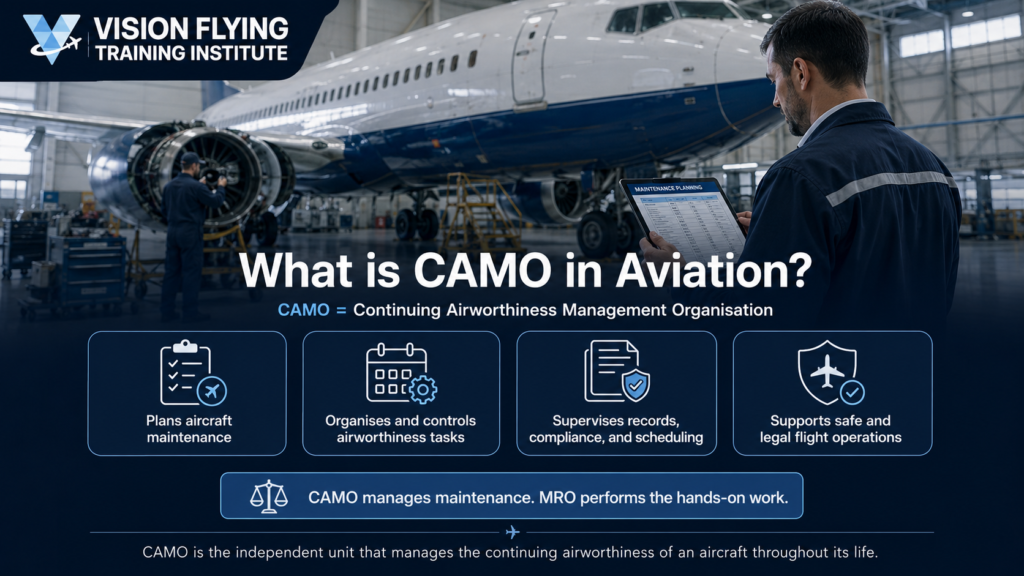
CAMO stands for Continuing Airworthiness Management Organisation. It is the team that plans and controls all the work needed to keep an aircraft fit to fly. In India, CAMO works under the Civil Aviation Requirements (CAR) rules of the DGCA. These rules are called CAR-M, CAR-CAMO, CAR-ML, and CAR-145.
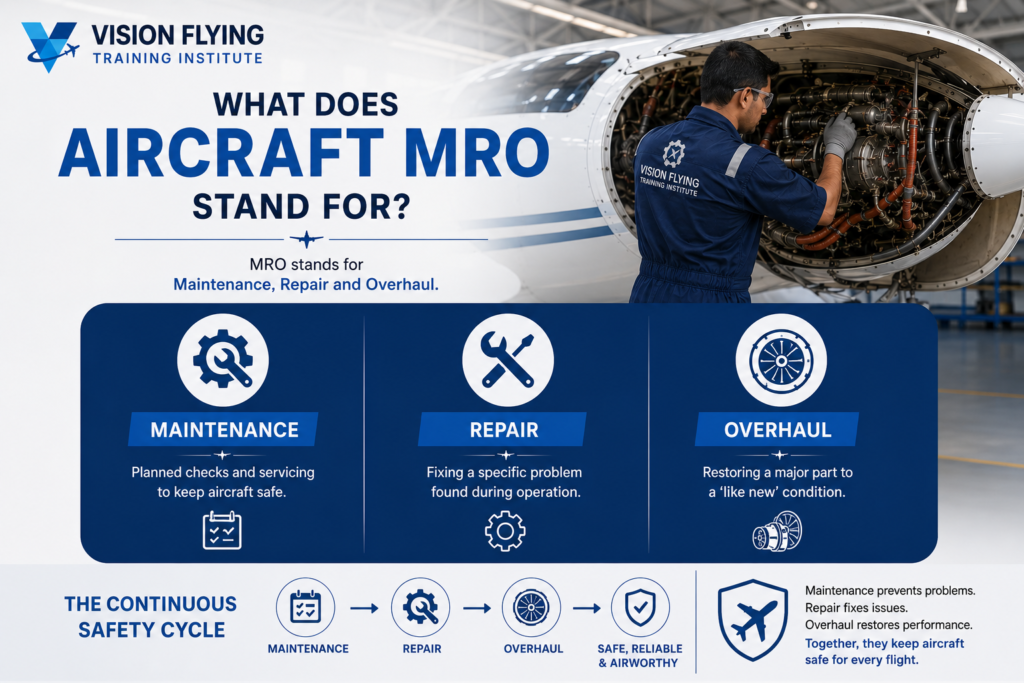
A CAMO does not do the maintenance work on its own. The maintenance is done by an MRO (Maintenance, Repair, and Overhaul) organisation. The CAMO decides what to do and when to do it. They also check that the work is completed correctly.
A flying school’s CAMO quality plays an important role in the training experience of pilot students in India. It directly affects how many flying hours you get every month, how long your CPL course takes, and how safe your flights are.
This blog explains what CAMO is, its main types, the techniques it uses, the strategic roles it plays, and why every CPL aspirant in India should care about it.
What is CAMO in Aviation?
CAMO stands for Continuing Airworthiness Management Organisation. It is an organisation that is approved by the aviation regulator to manage the airworthiness of an aircraft throughout its life.
In simple words, the CAMO is the planner and manager of aircraft maintenance. Its main job is to plan, organise, implement, and control all the maintenance activities related to aircraft. The CAMO is responsible for the continuation of all the important tasks that are needed to meet high airworthiness standards.
The CAMO itself does not turn the spanner or change the engine oil. That work is done by another approved organisation, called the MRO. The CAMO sits above the maintenance work. It decides what is needed, plans it, supervises it, and keeps the records.
The whole management of aircraft maintenance inside an airline or operator is handled by the CAMO department. The CAMO is an independent unit. It lines up all the available resources, people, and time so that the goals of safe and legal flight operations can be met.
Where Did the CAMO Concept Come From?
The idea of CAMO was first introduced by EASA, the European Union Aviation Safety Agency, in 2003. It was part of a rule called EASA Part-M. In 2021, EASA gave CAMO its own separate rule, called Part-CAMO.
In India, the DGCA followed the same idea. It introduced CAR-M, which is harmonised with EASA Part-M. Indian operators who need to manage continuing airworthiness must follow CAR-M Subpart-G or the newer CAR-CAMO rules.
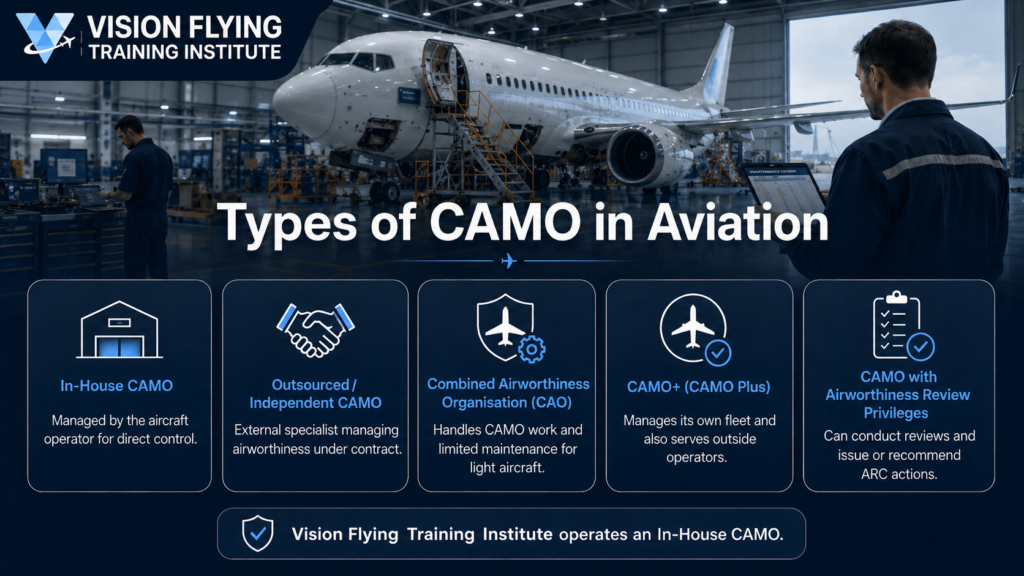
Types of CAMO in Aviation
The way a CAMO is organized can vary from one aviation organization to another. The type of CAMO depends on who runs it and who it serves.
Knowing these types helps you understand why an airline CAMO looks very different from a pilot training institute’s CAMO.
In-House CAMO
An in-house CAMO is owned and operated by the same company that uses the aircraft. Large airlines like IndiGo and Air India operate their own internal CAMO departments. This gives them direct control over maintenance schedules, technical decisions, and aircraft availability.
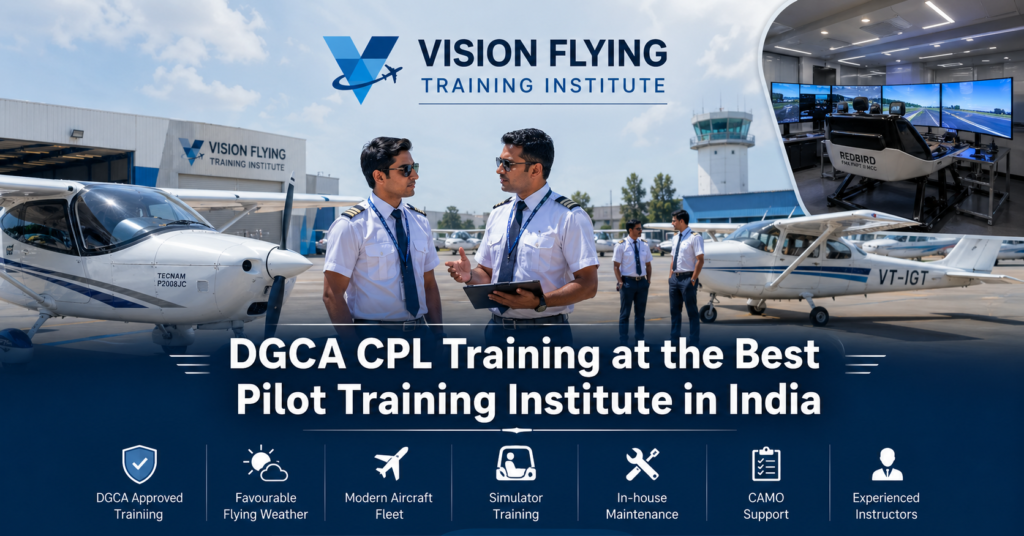
A flying training institute with an in-house CAMO has the same advantage. Decisions about training aircraft are taken on the same campus where students fly. Vision Flying Training Institute runs its own in-house CAMO department in this way. It manages all aspects of continuing airworthiness for its Tecnam and Cessna 172 training fleet under DGCA rules.
Outsourced or Independent CAMO
An outsourced CAMO is a separate company that is hired under contract. This is common with private jet owners, lessors, charter operators, and smaller operators who cannot afford a full in-house CAMO team. An independent CAMO brings expertise, software, and trained staff. The trade-off is that day-to-day decisions sit outside the operator’s direct control.
Combined Airworthiness Organisation (CAO)
A CAO is a newer type of organisation. It is allowed to do both CAMO work and some maintenance work on light, non-complex aircraft. The DGCA introduced CAR-CAO in line with EASA Part-CAO. The aim is to make airworthiness management easier and cheaper for private operators and small aero clubs.
CAMO+ (CAMO Plus)
A CAMO+ is a CAMO that not only manages its own fleet, but also offers continuing airworthiness management services to other operators. It works like an in-house CAMO for its parent company and like an outsourced CAMO for outside clients.
CAMO with Airworthiness Review Privileges
Some CAMOs are given extra privileges by the regulator. These extra privileges are called second privileges. A CAMO with these privileges is allowed to do the following:
Carry out the physical Airworthiness Review of the aircraft
Issue or recommend the issue of the Airworthiness Review Certificate (ARC)
Issue a Permit to Fly for special maintenance check flights
An operator or institute with a CAMO that holds these privileges enjoys faster turnaround and lower dependence on outside reviewers.
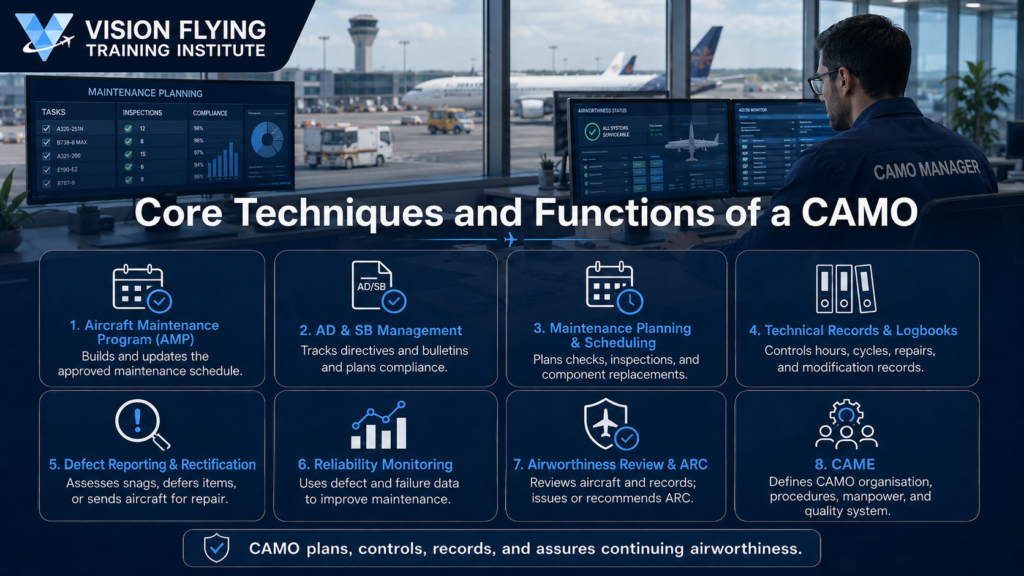
Core Techniques and Functions of a CAMO
The work of a CAMO may look complicated from the outside. But it is built on a set of clear techniques. Each of these is required by DGCA CAR-M and CAR-CAMO, and the regulator audits these functions on a regular basis.
Here are the main ones every aviation student should understand.
Developing the Aircraft Maintenance Program (AMP)
The Aircraft Maintenance Program is the master schedule of all inspections, checks, and component replacements for an aircraft. The CAMO builds this program using the manufacturer’s Maintenance Planning Document (MPD) and the Maintenance Review Board Report (MRBR). The completed AMP is then submitted to the DGCA for approval. Every change to the AMP also needs CAMO approval and acceptance by the regulator.
Managing Airworthiness Directives and Service Bulletins
Airworthiness Directives, or ADs, are mandatory safety instructions issued by an authority such as the DGCA, FAA, or EASA. They are issued when a defect is found that affects flight safety.
Service Bulletins, or SBs, are issued by the aircraft manufacturer. Some SBs are mandatory, and some are recommended.
The CAMO tracks every AD and SB that applies to its fleet. It plans the compliance work within the deadline. It also keeps proof that the work has been completed. Missing even one AD can ground an aircraft instantly.
Maintenance Planning and Scheduling
The CAMO plans every check needed for the aircraft. This includes the daily inspection, the 50-hour check, the 100-hour check, the annual inspection, and the replacement of hard-time components. Good planning keeps the aircraft on the ground for the shortest possible time.
Technical Records and Logbook Management
The CAMO is the legal custodian of the aircraft’s technical history. This includes the following:
Aircraft and engine logbooks
Total flight hours and cycles
Component time tracking for life-limited parts
All inspection and repair records
Modification and Supplemental Type Certificate (STC) records
These records must be tamper-proof and kept in a controlled environment. The CAMO must present them during every audit. These records also prove that the training aircraft used by a CPL student was legal to fly on the day of every flight.
Defect Reporting and Rectification
Every snag written by a pilot in the Pilot Defect Report or the technical log comes to the CAMO. The CAMO then decides one of the following:
Whether the aircraft is still airworthy and can keep flying
Whether the defect can be deferred under the Minimum Equipment List (MEL)
Or whether the aircraft must be grounded for repair by the MRO
Reliability Monitoring
Modern CAMOs run a reliability program. This program uses data from in-service performance, repeat defects, and component failures. If a part is failing more often than expected, the CAMO triggers an investigation or adjusts the maintenance program. This is one of the most strategic and data-driven activities in airworthiness.
Airworthiness Review and ARC Issuance
A CAMO with the right privileges performs a yearly Airworthiness Review. This is a combined physical survey of the aircraft and a review of its records. If everything is in order, the CAMO issues or recommends an Airworthiness Review Certificate (ARC).
The ARC is generally valid for one year. It can be extended by an approved CAMO, up to the limits set under CAR-M or CAR-CAMO.
The Continuing Airworthiness Management Exposition (CAME)
Every approved CAMO must publish a CAME. This is a single master document approved by the DGCA. It explains the CAMO’s organisation, its procedures, its manpower, and its quality system. The CAME is the rulebook that the CAMO must follow every day. The DGCA audits the CAMO against its CAME.
DGCA Rules Governing CAMO in India
India has a clear and updated regulatory system for airworthiness. The DGCA notified an updated version of CAR-M on 31 July 2024. It also introduced three new rules called CAR-ML, CAR-CAO, and CAR-CAMO. These three new rules came into effect on 1 January 2025. They were brought in to reduce the compliance burden for light aircraft and non-scheduled operators, while still keeping safety standards high.
Here is a simple comparison of the main DGCA rules that deal with airworthiness:
Rule
Full Name
What It Covers
Aligned With
CAR-M
Continuing Airworthiness Requirements
All aircraft, including scheduled airlines, non-scheduled operators, flying training, general aviation, and private use
EASA Part-M
CAR-145
Approved Maintenance Organisation (AMO or MRO)
Maintenance of complex aircraft and aircraft used in commercial operations
EASA Part-145
CAR-ML
Maintenance, Light
Simplified rules for light aircraft that are not used by scheduled air carriers
EASA Part-ML
CAR-CAMO
Continuing Airworthiness Management Organisation
Approval and operation of the CAMO function, as a separate rule
EASA Part-CAMO
CAR-CAO
Combined Airworthiness Organisation
Combined CAMO and limited maintenance approval for non-complex aircraft
EASA Part-CAO
The most useful rules for an Indian flying training institute are CAR-M or CAR-ML, CAR-CAMO, and CAR-145.
Why CAMO Matters for Indian Pilot Students
When you choose a pilot course in India, you are not only choosing instructors and aircraft. You are also depending on the CAMO that keeps those training aircraft safe, legal, and ready to fly.
Here is how it affects you directly:
It decides how many flying hours you get per month. A good CAMO keeps the aircraft serviceable and ready.
It controls your training duration. Many CPL students complete their pilot course in 18 to 24 months instead of the advertised 8 to 12. A weak CAMO is one of the main hidden reasons for this delay.
It protects your safety. Every Airworthiness Directive, every component life, and every defect record is tracked by the CAMO.
It protects the value of your logged hours. Only the hours flown on properly maintained and regulator-approved aircraft are accepted by the DGCA and by airlines.
This is why a DGCA-approved flying training institute that runs its own in-house CAMO, like VFTI in Amreli, Gujarat, gives a real advantage to its students.
CAMO vs. MRO: What is the Difference?
This is one of the most common doubts among aviation students. CAMO and MRO are different, but they are partners. Neither one can function without the other.
Aspect
CAMO
MRO (CAR-145)
Full Form
Continuing Airworthiness Management Organisation
Maintenance, Repair, and Overhaul Organisation
Primary Role
Plans, manages, and supervises airworthiness
Physically performs maintenance, repair, and overhaul work
Approval
DGCA CAR-M Subpart-G or CAR-CAMO
DGCA CAR-145
Output
Aircraft Maintenance Programme, ARC, technical records
Certificate of Release to Service (CRS), serviceable aircraft
Hands-on Work
No. It is strategic and supervisory.
Yes. Done in the hangar with tools and components.
Reports To
Accountable Manager and DGCA
CAMO and DGCA
A simple way to remember it is this. The CAMO is like a doctor who decides the treatment. The MRO is like a surgeon who performs the operation. Both are essential, and both must be DGCA-approved.
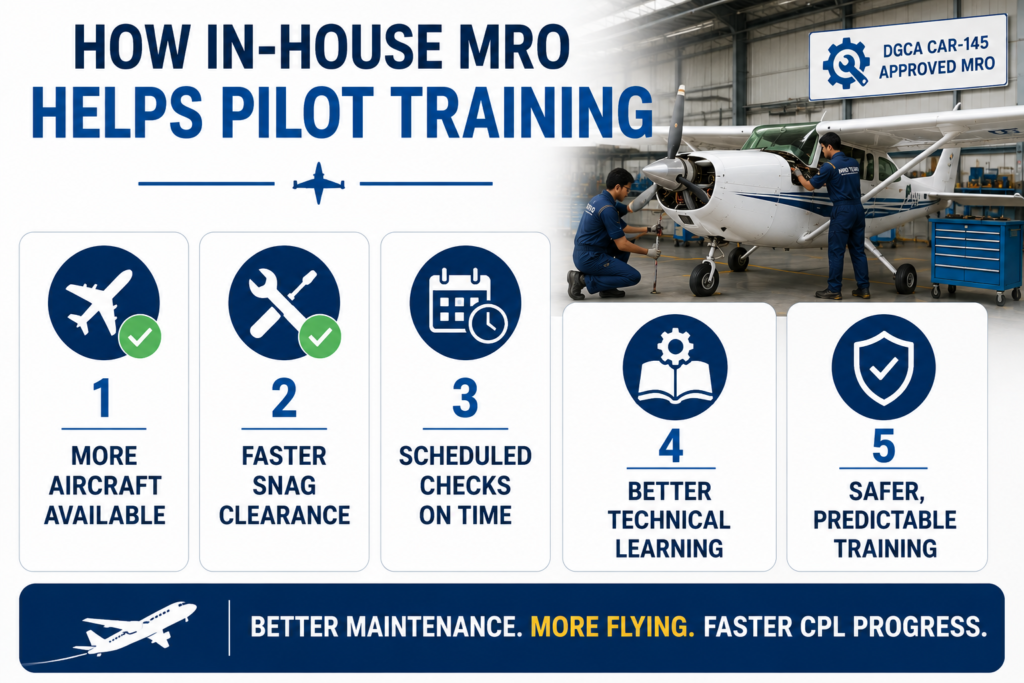
VFTI operates both a CAR-145-approved in-house aircraft MRO and an in-house CAMO department. This combination is rare in India. It is one of the strategic reasons VFTI’s training aircraft stay in the air, instead of sitting on the ground.
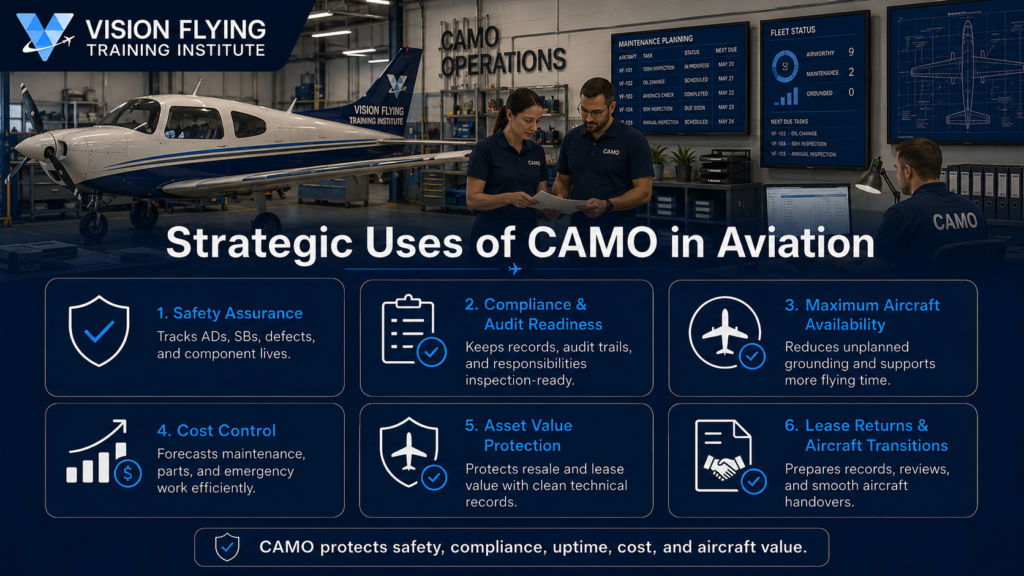
Strategic Uses of CAMO in Aviation
CAMO is a strategic asset for any aircraft operator. The reasons below show why airlines, lessors, flying training organisations, and private owners invest so much in their CAMO functions.
Safety Assurance: CAMO makes sure that every flight takes off with full regulatory backing. By tracking ADs, SBs, component lives, and defect history, it reduces the chance of in-flight technical failure.
Regulatory Compliance and Audit Readiness: The DGCA, EASA, and FAA can carry out inspections on very short notice. A properly run CAMO keeps all technical records, audit trails, and post-holder responsibilities ready for inspection on any day.
Maximum Aircraft Availability: A well-planned CAMO reduces unplanned grounding. For a flying training institute, this means more flying slots for students. It also means faster completion of the 200 minimum flying hours, one of the DGCA Commercial Pilot Licence requirements in India.
Cost Control: By forecasting maintenance needs, ordering parts on time, and avoiding emergency work, a CAMO directly controls the operating costs of a fleet. This is one of the biggest reasons airlines and flying schools invest in strong CAMOs. The savings show up clearly in the bottom line.
Asset Value Protection: A well-maintained aircraft with clean and traceable CAMO records keeps a much higher resale or lease-return value. For aircraft lessors and finance companies, the CAMO is what protects the market value of the asset over its life.
Lease Returns and Aircraft Transitions: When an aircraft is leased or sold, the new operator demands complete technical records. The CAMO is the team that prepares these records, manages the airworthiness review, and ensures a smooth handover.
CAMO in a Flying Training Organisation (FTO)
A pilot training institute is one of the toughest environments for a CAMO. The training aircraft flies several sectors in a day. They are handled by student pilots who are still learning. They operate from semi-controlled airfields. And they must be airworthy for every new slot.
In this environment, a strong CAMO delivers the following:
High daily aircraft availability for cadet flying.
Full compliance with CAR-M or CAR-ML and with CAR-CAMO, depending on the aircraft category.
Tight management of training aircraft components, such as piston engines, propellers, brakes, and tyres, which see heavy wear during student flying.
Smooth coordination with DGCA-licensed AMEs and CAR-145 engineers to keep turnaround short.
Clean technical records that protect the legal value of the student’s logged flight hours.
What Makes VFTI Stand Out Among DGCA-Approved Flying Schools?
VFTI is a DGCA-approved Flying Training Organisation based at Amreli, Gujarat. It is part of the Vision Group of Institutions, which has over two decades of experience in education. What makes VFTI different on the airworthiness side is the integration of CAMO and MRO under one roof.
Here is what that means for a student who joins VFTI:
CAR-145 approved in-house MRO. Your training aircraft are maintained on the same airbase where you fly.
An in-house CAMO department that manages flight hours, cycles, ADs, SBs, technical records, and DGCA compliance for the entire training fleet.
365-day flying weather in the Amreli region, which helps convert maintenance day savings into actual flying days for students.
Maintenance capability across multiple aircraft types, including the Cessna series, Tecnam, Diamond DA40 and DA42, and Piper PA-28.
This combination is exactly what CAR-M and CAR-CAMO are meant to encourage. It is a controlled, integrated, and audit-ready training environment. This is one of the most underrated factors that decides whether a CPL gets completed in 12 months or in 24.
Conclusion
When you choose a flying school for your pilot courses, do not stop at fleet size and brochure photos. Ask deeper questions. Is the school DGCA-approved? Does it have an in-house CAR-145 MRO? Does it run its own CAMO? Who is the Continuing Airworthiness Manager? The answers to these questions tell you more about your future flying hours than any advertisement.
A strong CAMO is not only about safety. It is about the predictability of your training, the integrity of your logged hours, and the professional foundation you carry into your airline career.
The aviation industry will judge you not only on how well you fly, but also on how well you understand the system that keeps you in the air.
If you are ready to train at a DGCA-approved Flying Training Organisation that gives you the rare combination of an in-house CAMO and CAR-145 MRO, year-round flying weather in Amreli, a modern Tecnam and Cessna fleet, and experienced flight instructors, then Vision Flying Training Institute (VFTI) is built for exactly that.
Take off with the right setup. Take off with VFTI.
Frequently Asked Questions (FAQs)
What is CAMO in aviation, in simple words?
CAMO stands for Continuing Airworthiness Management Organisation. It is a team approved by the DGCA, EASA, or FAA that decides what maintenance an aircraft needs, when it needs it, and whether it is fit to fly. The CAMO does not do the maintenance itself. That work is done by a CAR-145-approved MRO.
What is the difference between CAMO and MRO?
A CAMO manages and plans airworthiness. An MRO physically performs the maintenance. The CAMO is approved under CAR-M or CAR-CAMO. The MRO is approved under CAR-145. Both are needed, and they work as partners.
Is CAMO mandatory for a flying training institute in India?
Yes. Any aircraft used for commercial flying training in India must have its continuing airworthiness managed under DGCA CAR-M, CAR-ML, or CAR-CAMO. The exact rule depends on the aircraft category. The CAMO function can be in-house or contracted to an approved CAMO.
What is the full form of CAME in aviation?
CAME stands for Continuing Airworthiness Management Exposition. It is the approved master document that explains how a CAMO works. The DGCA audits the CAMO against its CAME.
What is the validity of an Airworthiness Review Certificate (ARC)?
An ARC is typically valid for one year. It can be extended by an approved CAMO, generally for up to two further years, subject to the conditions set under CAR-M or CAR-CAMO.
Why is CAMO important for a CPL student?
The quality of the CAMO behind a flying school decides aircraft availability. It also decides your monthly flying hours, the safety of every sortie, and the legality of the hours you log in your DGCA logbook.
Does VFTI have its own CAMO?
Yes. VFTI operates its own in-house CAMO department alongside a DGCA CAR-145-approved MRO, both based at the Amreli airbase. This integrated setup is one of the reasons VFTI is able to maintain consistent aircraft availability for cadet flying.
Learn how to become a DGCA-licenced Aircraft Maintenance Engineer (AME) in India. Eligibility, AME course duration, Category A & B licences
Every aircraft that takes off from an Indian airport carries the signature of one person, a DGCA-licenced Aircraft Maintenance Engineer (AME).
Before the pilot starts the engine, an AME has inspected the aircraft and certified that it is fit to fly. That single signature is why becoming an Aircraft Maintenance Engineer is one of the most respected and secure aviation careers in India today.
Below is an overview of how to become an Aircraft Maintenance Engineer in India. The information here is based on the latest DGCA CAR-66 and CAR-147 regulations.
Quick Overview
Details
Course Name
Aircraft Maintenance Engineering (AME)
Regulatory Body
Directorate General of Civil Aviation (DGCA), Government of India
Eligibility
10+2 with Physics, Chemistry, Maths (min 50%) OR 3-year Engineering Diploma
Minimum Age
16 years (no upper age limit)
Basic Course Duration
2 years / 2,400 training hours (60% theory, 40% practical)
Mandatory Experience
2 years at a CAR-145 approved MRO (1 year for Cat A)
Total Time to Licence
3 – 4 years for Category B
Course Fees
₹5 – ₹8 lakh for the full programme
Licence Categories
Cat A, B1.1, B1.2, B1.3, B1.4, B2, C
Total CAR-66 Modules
17 modules (study 10–11 based on chosen category)
DGCA Exam Frequency
3 times a year via pariksha.dgca.gov.in
Starting Salary (Fresher B1.1)
₹1.25 lakh+ per month / ₹15 LPA and above
Top Earning Potential
₹4 – ₹10 lakh per month (Gulf / EU senior roles)
Top Recruiters
IndiGo, Air India, AIESL, GMR Aero Technic, Akasa Air, SpiceJet
Licence Validity
Indian-registered aircraft (convertible to EASA Part-66 / FAA)
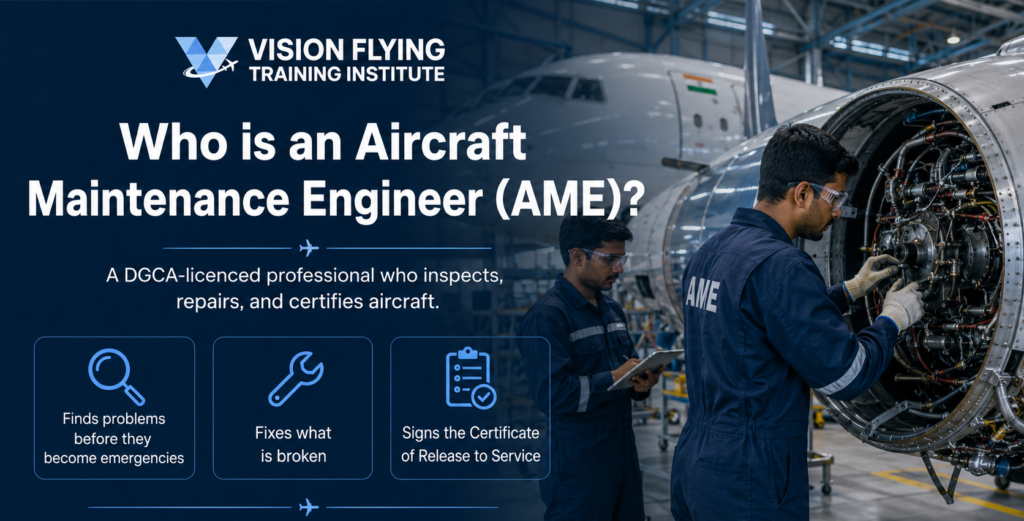
Who is an Aircraft Maintenance Engineer (AME)?
An Aircraft Maintenance Engineer is a DGCA-licenced professional who inspects, repairs, and certifies aircraft. After every flight or scheduled check, an AME examines the aircraft’s mechanical structure and electronic systems.
The job comes down to three things.
First, you find problems before they become emergencies, like daily walk-arounds, scheduled maintenance, and troubleshooting whenever a pilot reports a fault.
Second, you fix what is broken, from a worn tyre to a faulty avionics box.
Third, you sign off on the Certificate of Release to Service. Itis the document that legally clears the aircraft for its next flight.
Different countries use different titles. In the US, they are called Aircraft Mechanics, in Europe Aircraft Technicians, and in India, we say Aircraft Maintenance Engineers. The work is essentially the same, and the responsibility is essentially absolute.
Why Choose AME as a Career in India in 2026?
India is now the third-largest domestic aviation market in the world, and the demand for licenced AMEs is rising. Here are the numbers that show why this is the right time to enter the field:
India’s airport network has grown from 74 airports in 2014 to 163 airports by October 2025.
IndiGo has ordered over 500 Airbus aircraft, and Air India has committed to 570 new aircraft between Airbus and Boeing. India’s airline fleet is projected to reach 1,100 aircraft by 2027.
India currently produces only about 3,500 licenced AMEs every year from 57 DGCA-approved institutes, a number considered far below the industry’s actual need.
Government schemes like UDAN are opening Tier-2 and Tier-3 airports, creating fresh maintenance jobs across the country.
The supply-demand gap is what makes this career so attractive. Every new aircraft that joins the Indian fleet needs trained engineers to maintain it, and that opportunity is yours to claim.
Eligibility Criteria to Become an Aircraft Maintenance Engineer in India
DGCA has clear minimum requirements for anyone entering the AME profession. You must meet every one of them.
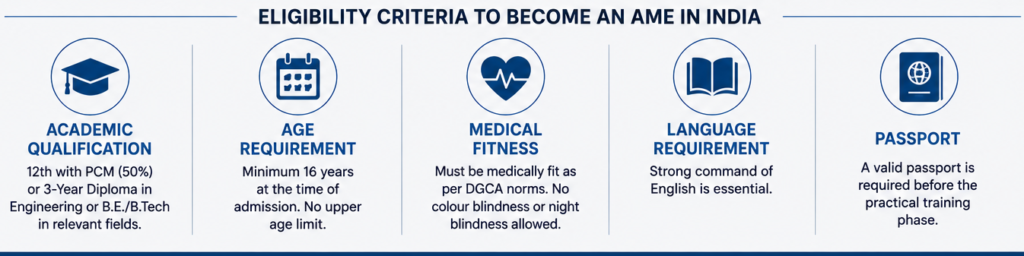
Academic Qualification: Candidates must meet one of the following educational requirements:
Pass Class 12 with Physics, Chemistry, and Mathematics from a recognized board, with a minimum of 50% aggregate marks. Some institutes may allow 45% for reserved categories.
Complete a 3-year Diploma in Mechanical, Electrical, Electronics, or Aeronautical Engineering from a board recognized by the All India Council for Technical Education (AICTE).
Hold a B.E./B.Tech degree in Mechanical, Electrical, Electronics, Aeronautical, or Aerospace Engineering, which may provide relaxation in the licensing experience requirement.
Age Requirement: Minimum 16 years at the time of admission. There is no upper age limit, despite what a few outdated articles claim.
Medical Fitness: The candidate must be medically fit as per DGCA norms. No colour blindness or night blindness is allowed, as these are strict grounds for rejection, so candidates should get tested before applying. A medical fitness certificate from a registered medical practitioner is also required.
Language Requirements: A strong command of English is essential, as all technical manuals, DGCA papers, and aircraft documentation are in English.
Passport: A valid passport is needed before the practical training phase, since airport-side training requires an entry pass.
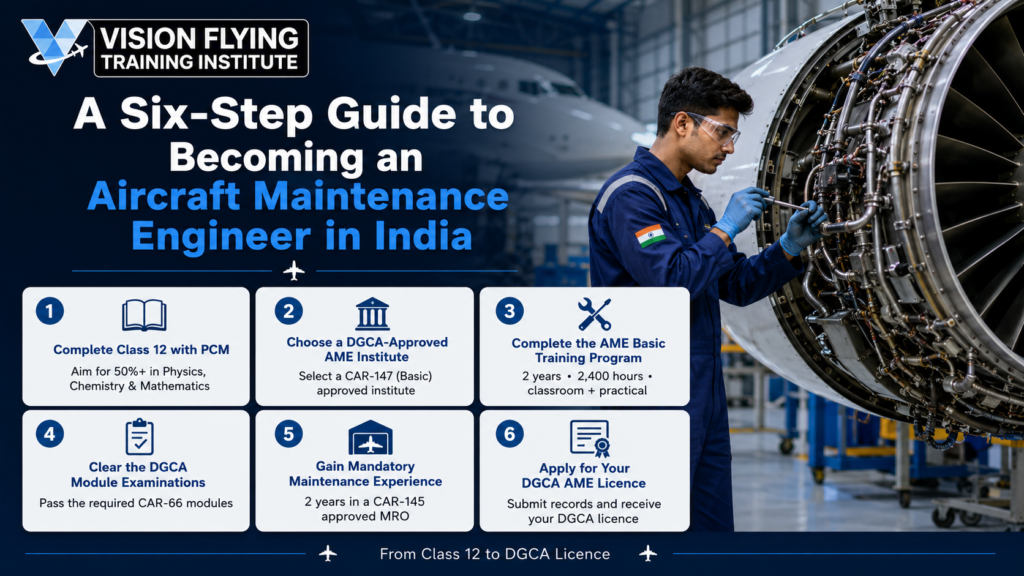
A Six-Step Guide to Becoming an Aircraft Maintenance Engineer in India
Here is the exact path from Class 12 to a DGCA AME licence. Follow it in order to become an Aircraft Maintenance Engineer in India.
Step 1: Complete Class 12 with PCM
Choose the non-medical (PCM) stream in classes 11 and 12. Aim for at least 50% in physics, chemistry, and mathematics combined. If you are already a diploma or engineering graduate, you can move straight to step 2.
Step 2: Choose a DGCA-Approved AME Institute (CAR-147 Basic)
This is the most important decision of your career. Only candidates trained at a CAR-147 (Basic) approved institute are eligible for the DGCA licence. If the institute is not on the official DGCA list, your time and money are wasted.
Step 3: Complete the AME Basic Training Program
The DGCA-approved AME 147 (Basic) course runs for 2 years and includes 2,400 hours of training, split into 1,440 hours of classroom learning and 960 hours of practical training.
Of the practical hours, a minimum of 288 hours (30%) must be done on actual flying aircraft inside a CAR-145-approved MRO.
A four-year integrated program (offered by some institutes) bundles the basic course with the mandatory two years of maintenance experience needed for licensing.
Step 4: Clear the DGCA Module Examinations
The Directorate General of Civil Aviation (DGCA) holds module-wise examinations through its Central Examination Office (CEO)on the official pariksha portal. The exams are conducted on a regular cycle (quarterly), and a candidate must clear every module of the chosen category.
You do not need to clear all 17 CAR-66 modules, only the ones relevant to your stream. Module 1 (Mathematics) and Module 2 (Physics) are exempted in India because they are already covered in Class 12.
Step 5: Gain Mandatory Maintenance Experience
After clearing the modules, candidates receive a Certificate of Recognition from DGCA. This is the first stamp on the road to a licence, but it is not the licence itself.
In order to obtain the actual AME licence, you must complete 2 years of recorded work experience in a CAR-145 approved Aircraft Maintenance Organisation (AMO). Category A licences require only 1 year of experience. Engineering graduates without a CAR-147 basic course can apply through the “un-organised” route with 5 years of recorded experience, or 4 years for engineering graduates with the one-year DGCA relaxation, but this path is much harder.
Step 6: Apply for Your DGCA AME Licence
Once the module exams are cleared and the maintenance experience is logged, the candidate becomes eligible to apply for the AME licence under Aircraft Rule 61. The DGCA verifies the records, conducts type-rating exams and vivas where required, and issues the licence in the chosen category.
This licence is the gateway. With it, you can legally sign maintenance documents for Indian-registered aircraft anywhere in the country.
DGCA AME Licence Categories
An AME licence is not a general licence that covers every aircraft and every type of maintenance. Some categories focus on mechanical systems, some on avionics, and some on specific aircraft types such as aeroplanes or helicopters. Your AME licence category decides what kind of aircraft maintenance work you will be trained and authorised to do. Knowing the difference helps you choose a licence category that matches your interest and career goals.
Category
What it covers
Aircraft examples
Cat A -Transit / Line Maintenance
Allows limited certification for minor maintenance tasks and routine checks between aircraft landings and take-offs.
Commercial aircraft, within a limited scope
Cat B1.1 – Aeroplane Turbine
Covers mechanical maintenance on turbine-engine aeroplanes, typically commercial aircraft above 5,700 kg Maximum Take-Off Mass (MTOM).
Airbus A320/A350, Boeing 737/787, ATR family
Cat B1.2 – Aeroplane Piston
Applies to mechanical maintenance of piston-engine aeroplanes, usually smaller training and general aviation aircraft.
Cessna 172, Tecnam P2008, Piper, Cirrus, Diamond
Cat B1.3 – Helicopter Turbine
Relates to mechanical maintenance of turbine-engine helicopters.
Sikorsky, Bell, Airbus H145, Leonardo
Cat B1.4 – Helicopter Piston
Applies to mechanical maintenance of piston-engine helicopters.
Robinson R44, Enstrom, Schweizer
Cat B2 – Avionics
Deals with electrical systems, electronics, instruments, communication systems, and radio navigation systems.
Applicable across aircraft types
Cat C – Base Maintenance
Provides senior-level certification authority for base maintenance and release of aircraft after major maintenance.
Aeroplanes and helicopters
The right AME licence category should match the kind of aircraft and maintenance work you want to build your career around. Students who want to work with commercial airlines often choose B1.1 because most airline fleets in India operate turbine aircraft such as the Airbus A320 family and Boeing 737 family. This makes B1.1 one of the most practical and in-demand AME licence categories.
B2 Avionics is another strong path, especially if you are interested in aircraft electrical systems, electronics, instruments, communication, and radio navigation systems. Avionics specialists are fewer in number than mechanical AMEs, which makes B2 a valuable category in airlines, Maintenance, Repair and Overhaul (MRO) companies, and other aircraft maintenance organizations.
Students who want a stronger long-term career profile can also consider building toward both B1.1 and B2. A dual-category AME has knowledge of both mechanical and avionics systems, which can open better opportunities in senior technical roles and make the candidate more useful to airlines, aircraft MROs, and operators.
AME Course Duration and Fees in India
Item
Details
Category B Basic course duration
2 years (2,400 training hours)
Category A Basic course duration
About 1 year (800 training hours)
Mandatory maintenance experience
2 years for Category B, 1 year for Category A
Total time to AME licence
4 years for Category B, around 2 years for Category A
Course fees (Cat B1.1 / B2)
₹5 – ₹8 lakh for the full programme
Type rating after licence (optional)
₹2 – ₹8 lakh per aircraft type
Skills Required to Succeed as an Aircraft Maintenance Engineer
Clearing the exam is only half the story. The other half is becoming the kind of engineer airlines want to hire and trust with their fleet.
Technical proficiency: Strong grip on physics, mechanics, electronics, and aircraft systems.
Attention to detail: One missed bolt, one wrong reading, one signature without verification, and lives are at risk. AMEs are trained to be obsessive about checking.
Problem-solving under pressure: Aircraft go unserviceable at 2 a.m. with the next flight at 5 a.m. The AME on duty has to diagnose, fix, and certify in time.
Physical and mental stamina: Long shifts, night duties, and outdoor work in all weather are normal.
How VFTI Supports the Indian Aviation Career Ecosystem
Vision Flying Training Institute (VFTI) is widely known as a Directorate General of Civil Aviation (DGCA)-approved Flying Training Organisation (FTO) in Amreli, Gujarat. It offers different pilot courses, including Commercial Pilot Licence (CPL), Private Pilot Licence (PPL), and Conversion Flying programmes.
VFTI’s aviation environment goes beyond pilot training. It is also connected to the kind of aircraft maintenance ecosystem that Aircraft Maintenance Engineer (AME) aspirants will work in during their careers.
VFTI has its own CAR-145 approved in-house Maintenance, Repair and Overhaul (MRO) facility and a Continuing Airworthiness Management Organisation (CAMO) department, both certified by the DGCA. Its modern fleet, including the Tecnam P2008 JC, Cessna 172 Skyhawk, Tecnam P-Mentor, and Multi-Engine Simulator, is maintained on campus by licenced engineers. This gives students and aviation aspirants a real view of how aircraft are inspected, maintained, and kept airworthy in a professional DGCA-regulated environment.
Whether your goal is to work on the ground as an AME or fly in the cockpit as a pilot, the industry is opening up meaningful opportunities for well-trained aviation professionals.
Conclusion
Aviation in India has never offered as many opportunities as it does right now. Aircraft Maintenance Engineering and commercial pilot training are two of the strongest, most stable career paths within this growing industry. One keeps aircraft safe and airworthy on the ground, while the other takes them into the sky.
Both careers demand discipline, technical understanding, responsibility, and consistent effort. They also offer something many students look for: long-term career stability and professional respect. The first important step is choosing the right DGCA-approved institute.
Students who have decided to pursue AME should look for a CAR-147 approved college with a strong practical training setup and a real CAR-145 Maintenance, Repair and Overhaul (MRO) tie-up.
Students who feel drawn to flying can explore VFTI’s DGCA-approved CPL, PPL, and Conversion Flying programs. VFTI offers a focused environment for serious pilot training.
A career in aviation starts with the right training. Visitour website or download the latest brochure to explore VFTI’s DGCA-approved pilot training courses.
You can also call +91 9319193602 or email enquiry@vfti.in to speak with our admissions team.
Frequently Asked Questions (FAQs)
Is AME a good career in India in 2026?
Yes. With India set to become the world’s third-largest air passenger market by 2030 and the country needing thousands of additional licenced engineers to maintain a growing fleet, AME is one of the most stable and rewarding aviation careers. The role is recession-resistant because every aircraft requires daily certification.
What is the salary of an AME in India?
A fresher AME earns around ₹4-8 LPA, while AMEs with 5+ years of experience and type endorsements earn ₹12-20 LPA. Senior AMEs and Chief Engineers can earn ₹25-50 LPA, and AMEs working abroad (Gulf, EU) often cross ₹30 LPA.
Can I become an AME after a diploma instead of 10+2?
Yes. A 3-year diploma in Mechanical, Electrical, Electronics, or Aeronautical engineering from a recognised board is accepted by DGCA-approved AME institutes as an alternative to 10+2 PCM.
How many years does it take to become a licenced AME in India?
Typically 3 to 4 years , 2 years of CAR-147 Basic training plus 2 years of practical maintenance experience in a CAR-145 organisation. Some institutes offer an integrated 4-year program that combines both.
Is the DGCA AME licence valid abroad?
The DGCA licence is valid for Indian-registered aircraft. To work abroad, most AMEs convert to EASA Part 66 (Europe and most Gulf countries) or FAA (the USA). Conversion requires additional exams but is widely done.
What is the difference between AME B1 and B2?
B1 is mechanical (engines, airframe, structures, fuel, hydraulics, and landing gear). B2 is avionics (electrical, electronic, navigation, communication, and instruments). B2 is generally rarer and carries a salary premium, while B1.1 has more open positions in Indian airlines.
Is there an entrance exam for AME admission?
DGCA does not conduct a mandatory entrance exam for AME admission; most DGCA-approved colleges accept direct admission based on 10+2 PCM marks and a medical check. National-level tests like AME CEE, AME CET, and SOACET are conducted by private bodies and are used by some institutes for scholarship-based admission.
Can a woman become an Aircraft Maintenance Engineer in India?
Absolutely. Indian airlines including IndiGo have launched all-women AME batches, and several women are now senior engineers at MROs, airlines, and the Indian Air Force. The DGCA eligibility rules are gender-neutral.
Do AMEs work only at airports?
Most AMEs work at airports (line maintenance) or at MRO hangars (base maintenance). Some work at OEM facilities, defence bases, helicopter operators, or even with charter and corporate aviation operators. The work is always around aircraft.
Becoming an air hostess has become one of the most exciting career options for young Indians. If you have ever searched, “What is the salary of an air hostess in India?” this guide will give you every answer you need.
What is the Salary of an Air Hostess in India?
In 2026, the average air hostess salary in India is ₹3.6 lakh to ₹12 lakh per annum, which works out to roughly ₹30,000 to ₹1,00,000 per month, depending on the airline, experience, and route.
Freshers typically start at ₹25,000–₹50,000 per month and quickly cross ₹70,000 within 2-3 years.
Senior cabin crew on international routes can earn ₹1.5 to ₹2.5 lakh per month, while Indian air hostesses joining Gulf carriers like Emirates or Qatar Airways take home ₹2.5 to ₹3.5 lakh per month, completely tax-free.
Air Hostess Salary in India by Experience
Experience is the single biggest driver of cabin crew pay. Here is the verified 2026 salary ladder, based on data from Indeed, AmbitionBox, Naukri, and official airline career portals.
Experience Level
Monthly Salary (INR)
Annual Package (INR)
Trainee (during training, 3-4 months)
₹12,000 – ₹15,000 Stipend + free stay
N/A
Fresher (0-1 year)
₹25,000 – ₹50,000
₹3.6 – 6 LPA
Junior Cabin Crew (1-3 years)
₹40,000 – ₹65,000
₹5 – 8 LPA
Senior Cabin Crew (4-6 years)
₹65,000 – ₹1,00,000
₹8 – 12 LPA
Purser / Cabin Supervisor (7+ years)
₹1,00,000 – ₹1,50,000
₹12 – 18 LPA
In-Flight Manager / Chief Purser
₹1,50,000 – ₹2,50,000
₹18 – 25+ LPA
Airline-Wise Air Hostess Monthly Salary in India (2026)
Salary varies a lot from one airline to another. Premium full-service carriers pay more than budget airlines, and Tata Group airlines (Air India, Air India Express) currently lead the pack after restructuring. Here is a verified airline-by-airline comparison per month salary.
Airline
Fresher Salary
Experienced Salary
Air India (Tata Group)
₹40,000 – ₹60,000
₹80,000 – ₹1,30,000
IndiGo
₹35,000 – ₹50,000
₹70,000 – ₹1,20,000
Air India Express
₹35,000 – ₹56,000
₹70,000 – ₹1,10,000
SpiceJet
₹31,000 – ₹45,000
₹50,000 – ₹80,000
Akasa Air
₹35,000 – ₹50,000
₹60,000 – ₹90,000
AIX Connect (formerly AirAsia India)
₹28,000 – ₹45,000
₹55,000 – ₹85,000
IndiGo Air Hostess Salary
IndiGo is India’s largest airline with over 63% domestic market share. The average IndiGo flight attendant salary is around ₹37,743 per month according to Indeed and AmbitionBox, about 18–22% above the national average. Annual packages range from ₹3.6 lakh to ₹10 lakh based on flying hours and seniority. During the 3-4 month training period, IndiGo pays a stipend of ₹12,000–₹15,000 with free accommodation.
Air India Cabin Crew Salary
After privatisation under the Tata Group, Air India is now one of the highest-paying domestic airlines for cabin crew. Freshers start at ₹53,000-₹54,000 per month. With 5-6 years of experience, monthly pay reaches ₹59,000-₹61,00. International route allowances can take annual earnings up to ₹13 lakh.
SpiceJet, Akasa Air & AIX Connect Salary
SpiceJet pays freshers around ₹31,000-₹45,000 per month. Akasa Air, India’s newest airline, offers ₹35,000-₹50,000 to freshers and is expanding rapidly, which means faster promotions. AIX Connect pays slightly less but has good international routes through its parent group.
State-Wise / City-Wise Air Hostess Salary in India
Your base location plays a big role in deciding your monthly take-home. Metro cities with international airports pay more because of higher flying hours, premium routes, and a higher cost-of-living adjustment.
City / State
Average Salary
Why the Difference
Delhi (NCR)
₹38,000 – ₹45,000+
Hub for international long-haul flights
Mumbai, Maharashtra
₹38,000 – ₹45,000+
Major financial and aviation hub
Bengaluru, Karnataka
₹35,000 – ₹42,000
Fast-growing aviation market, IT-driven traffic
Hyderabad, Telangana
₹32,000 – ₹40,000
Rising demand, lower cost of living
Chennai, Tamil Nadu
₹32,000 – ₹40,000
Strong domestic and Gulf routes
Kolkata, West Bengal
₹30,000 – ₹40,000
Steady demand, regional hub
Kerala (Kochi/Trivandrum)
₹25,000 – ₹40,000
Mid-tier base, Gulf-route heavy
Tier-2 Cities (Lucknow, Jaipur, etc.)
₹25,000 – ₹35,000
Limited international flights
Crew based in Delhi and Mumbai earn 15–25% more than those in Tier-2 cities, primarily because they fly more international routes and earn higher layover allowances in foreign currency.
Air Hostess Salary in India vs Country-Wise Comparison
Working with a foreign carrier is the fastest way to multiply your earnings. Here is how India compares to the top aviation countries hiring Indian cabin crew.
Country
Average Monthly Salary (INR)
Notable Carriers
India
₹30,000 – ₹1,20,000
IndiGo, Air India, SpiceJet, Akasa, Vistara
UAE (Dubai/Abu Dhabi)
₹2,00,000 – ₹2,90,000 (tax-free)
Emirates, Etihad, flydubai
Qatar (Doha)
₹95,000 – ₹3,70,000 (tax-free)
Qatar Airways
Singapore
₹1,80,000 – ₹3,00,000
Singapore Airlines, Scoot
United Kingdom
₹2,40,000 – ₹3,40,000
British Airways, Virgin Atlantic
Germany
₹1,60,000 – ₹2,80,000
Lufthansa, Eurowings
Australia
₹2,00,000 – ₹3,00,000
Qantas, Virgin Australia
United States
₹2,40,000 – ₹5,50,000
Delta, United, American Airlines
Canada
₹1,80,000 – ₹3,30,000
Air Canada, WestJet
Emirates, Qatar Airways, and Etihad offer tax-free salaries, free furnished accommodation, free transport, and 90% flight discounts. Indian crew with these airlines often save 40–60% of their monthly income, something almost impossible at home.
Salary Comparison: Domestic vs International, Air Hostess vs Other Aviation Roles
Domestic vs International Air Hostess Salary
Role
Domestic Airline
International Airline
Fresher
₹25,000 – ₹50,000/month
₹1,50,000 – ₹2,00,000/month
Mid-Level
₹50,000 – ₹80,000/month
₹2,00,000 – ₹2,80,000/month
Senior Crew
₹80,000 – ₹1,50,000/month
₹2,70,000 – ₹3,50,000+/month
In-Flight Manager
₹1,50,000 – ₹2,50,000/month
₹3,50,000 – ₹5,00,000/month
Air Hostess vs Other Aviation Roles in India
Aviation Role
Fresher Salary (PA)
Senior Salary (PA)
Airport Ground Staff
₹2.0 – 3.5 LPA
₹5 – 8 LPA
Air Hostess (Domestic)
₹3.6 – 6 LPA
₹15 – 25 LPA
Air Hostess (International)
₹15 – 25 LPA
₹40 – 60 LPA
Aircraft Maintenance Engineer
₹4 – 8 LPA
₹15 – 25 LPA
Air Traffic Controller
₹6 – 9 LPA
₹20 – 35 LPA
Commercial Pilot (First Officer)
₹12 – 25 LPA
₹40 – 80 LPA
Among all aviation roles, the salary of a pilot in India is the highest-paying career path. Senior captains earn ₹1.5 to ₹3 crore per year, more than any cabin crew role even at the international level.
Air Hostess Salary Components & Benefits
The salary of an air hostess is much more than just basic pay. Real take-home is a mix of fixed pay plus several variable components and perks.
Basic Salary: Fixed monthly amount, usually 40–50% of Cost to Company (CTC).
Flying Allowance: ₹500-₹2,000 per flying hour, varies by airline and aircraft type.
Layover Allowance: Daily per diem when staying overnight in another city or country, often paid in foreign currency.
Night Halt Allowance: Extra pay for night stays away from base.
Meal Allowance: Free onboard meals plus food money during layovers.
Performance & Annual Bonus: Yearly bonuses linked to airline profits and individual performance.
Free / Discounted Travel: Heavy discounts on tickets for crew and immediate family on the airline’s network and partner carriers.
Medical Insurance: Group health and life insurance covering crew and dependents.
Provident Fund (PF) & Gratuity: Standard retirement benefits as per Indian labour law.
Uniform & Grooming Allowance: Free uniforms; some airlines pay a grooming and hairstyle allowance.
Factors Affecting Air Hostess Salary in India
Two air hostesses joining the same airline on the same day can end up with very different salaries 5 years later. Here is why.
Airline Brand & Type: Full-service carriers (Air India, Vistara) pay more than low-cost carriers (SpiceJet, Akasa). Premium international airlines pay 3–5 times more than Indian carriers.
Type of Routes: International long-haul routes pay the highest, followed by international regional, then domestic long-haul, then domestic short-haul.
Experience & Seniority: Each year adds flying hours, allowances, and access to better-paying routes.
Base Location: Delhi and Mumbai bases earn 15-25% more than Tier-2 city bases due to international flight access.
Flying Hours: Most cabin crew fly 70-90 hours a month. More hours mean more allowance.
Education & Training: Graduates from reputed aviation institutes typically start at the higher end of the fresher salary band.
Language Skills: Fluency in French, Mandarin, Arabic, Spanish, or German can add ₹5,000-₹15,000 a month and unlock international postings.
Aircraft Type & Cabin Class: Crew flying wide-body aircraft (Boeing 777, Airbus A350) and serving Business or First Class earn higher allowances.
Job Role / Rank: Junior crew earn the least; pursers, in-flight supervisors, and trainers earn the most.
Performance & Grooming: Annual appraisals reward consistent performance and grooming with raises and faster promotions.
How to Become an Air Hostess in India: Step-by-Step
Step 1: Complete 10+2 with English as a subject. Any stream is accepted.
Step 2: Optional but recommended, join a 6-month to 1-year cabin crew or aviation diploma course for grooming and interview prep.
Step 3: Apply on airline career portals (Air India, IndiGo, Akasa, SpiceJet) or attend walk-in interviews.
Step 4: Clear screening, group discussion, personal interview, English test, and the reach test (~212 cm on tiptoe).
Step 5: Pass the medical examination (vision, hearing, BMI, basic health).
Step 6: Complete 3-4 months of paid airline training.
Step 7: Start flying as probation crew, get confirmed after 6 months, and begin your career growth journey.
Air Hostess Career Growth & Pay Increase
Aviation rewards consistency. With strong performance, you can climb the ladder and double your pay every 4–5 years.
Position
Years of Experience
Approx. Pay (per month)
Trainee Cabin Crew
0 (during training)
₹12,000 – ₹15,000 stipend
Junior Cabin Crew
0 – 2 years
₹35,000 – ₹50,000
Senior Cabin Crew
3 – 5 years
₹60,000 – ₹90,000
Purser / Lead Crew
5 – 8 years
₹90,000 – ₹1,40,000
Cabin Supervisor
8 – 12 years
₹1,40,000 – ₹2,00,000
In-Flight Manager / Trainer
12+ years
₹2,00,000 – ₹3,00,000
How to Increase Your Salary as an Air Hostess
If you are already in the industry or planning to join, these are proven, practical steps to push your earnings higher and faster.
Join a reputed aviation training institute. Trained candidates start at the higher end of the fresher band (₹40,000+ vs ₹25,000) and clear airline interviews faster.
Master a second or third language. Adding French, Arabic, Mandarin, or Spanish to your CV makes you eligible for international postings and can add ₹5,000-₹15,000 to your monthly pay.
Move to international airlines after 2-3 years. Emirates, Qatar Airways, Etihad, and Singapore Airlines pay 3-5x more than Indian carriers, completely tax-free.
Pick up extra flying hours. More hours = more allowance. Senior crew often earn ₹40,000-₹60,000 in flying allowances alone.
Bid for international long-haul routes. Long-haul flights pay the highest layover allowances, often in foreign currency.
Get aviation safety and emergency certifications. ICAO, IATA, first aid, and dangerous-goods certifications speed up promotions.
Aim for purser or supervisor roles. Senior responsibility brings 50-80% higher pay and access to premium routes.
Move into training or ground roles after a few years. Trainers, ground instructors, and crew managers earn ₹1.5-3 lakh a month with better hours.
Consider transitioning to a pilot career. If you love aviation, the cockpit is the ultimate pay upgrade, pilots earn 3-5 times more than even senior international cabin crew.
Why Becoming a Pilot Can Be a Bigger Career Move Than Cabin Crew
Many candidates pick cabin crew because it feels easier and faster to start. But here is what most career counsellors will not tell you, a commercial pilot in India earns 3 to 5 times more than an air hostess at every stage of their career. A First Officer in IndiGo or Air India typically starts at ₹12 to ₹25 lakh per annum, and a senior Captain takes home ₹1.5 to ₹3 crore per year. With India needing over 30,000 new pilots in the next decade, the demand has never been higher.
We offer Commercial Pilot License (CPL), Private Pilot License (PPL), and Conversion Flying programs with a modern fleet of Tecnam P2008 JC, Cessna 172 Skyhawk, Tecnam P-Mentor, and a Multi-Engine Simulator.
With 365-day flying weather, in-house CAR-145-approved MRO, and experienced instructors, VFTI gives you everything you need to fly the aircraft, not just serve in it.
Frequently Asked Questions (FAQs)
Q1. What is the salary of an air hostess in India per month?
In 2026, the air hostess salary in India ranges from ₹25,000 to ₹50,000 per month for freshers and ₹65,000 to ₹1,50,000 per month for experienced cabin crew. International airlines pay between ₹95,000 and ₹3,70,000 per month, tax-free.
Q2. Which airline pays the highest air hostess salary in India?
Among Indian airlines, Air India (post-Tata takeover) currently pays the highest cabin crew salary, especially on international routes. Among international airlines hiring Indians, Emirates and Qatar Airways top the list with tax-free packages of ₹2.3-₹3.7 lakh per month plus free accommodation.
Q3. What is the qualification required to become an air hostess?
You need to have passed 10+2 from a recognised board with English as a subject, be aged 18-27 years, have a minimum height of 155 cm (female) or 170 cm (male), 6/6 vision (corrected acceptable), and excellent communication skills.
Q4. Which city in India pays the highest air hostess salary?
Delhi and Mumbai pay the highest, around ₹38,000-₹45,000+ per month for freshers, because they are home to most international long-haul flights and premium layover allowances. Bengaluru and Hyderabad come next.
Q5. How can I increase my air hostess salary?
Get professional training, learn a second language, move to international airlines after 2-3 years, pick up extra flying hours, bid for long-haul international routes, get safety certifications, and target purser or supervisor roles. Each of these can add 20–80% to your annual pay.
Q6. Can I become a pilot instead of an air hostess?
Absolutely. If you have completed 10+2 with physics and mathematics, you are eligible to enroll in a CPL (Commercial Pilot License) program at a DGCA-approved institute like Vision Flying Training Institute. Pilots earn 3-5 times more than air hostesses at every stage of their career, and India’s demand for pilots is at an all-time high.
Q7. What is the retirement age of an air hostess in India?
The standard retirement age is around 55 years, although many airlines offer voluntary retirement schemes earlier. Many cabin crew transition to ground roles, training, or airline management before retirement.
Conclusion
Becoming an air hostess in 2026 is a rewarding career, financially stable, full of travel, and respected across India. With domestic salaries between ₹25,000 and ₹1,50,000 per month and international carriers offering tax-free packages of ₹2 lakh and beyond, the cabin crew profession remains one of the top aviation careers today.
But if commanding the aircraft excites you more than serving in the cabin, a pilot career is where you belong. At Vision Flying Training Institute (VFTI), we have helped hundreds of aspirants turn their aviation dreams into successful pilot careers.
Our DGCA-approved pilot courses, modern aircraft fleet, expert instructors, and 365-day flying weather in Amreli make us one of India’s most trusted flying schools.
Ready to take off? Visit our website or call us on +91 9319193602 to book a campus visit and start your journey to becoming a commercial pilot today.
Behind every safe flight is a much larger system of trained engineers, hangars, tools, records, approvals, and strict safety checks.
This system is called Aircraft MRO, which stands for Maintenance, Repair, and Overhaul.
MRO may sound like a technical subject meant only for aircraft engineers, but every pilot in India should understand its importance. It is closely connected to your journey in the cockpit. Every flying hour you complete during Commercial Pilot License (CPL) training, every takeoff, landing, and training sortie depends on how well the aircraft is maintained.
By the end of this guide, you will know exactly why a CAR-145-approved in-house MRO matters and why Vision Flying Training Institute (VFTI) in Amreli, Gujarat, with its own DGCA-approved MRO and CAMO department, is built for serious CPL aspirants.
What Does MRO Mean in Aviation?
Aircraft MRO stands for Maintenance, Repair, and Overhaul. It is the complete set of services that keeps an aircraft safe, legal, and ready to fly throughout its working life.
In simple words, an MRO does for aircraft what a service center does for your car, but with far stricter rules, deeper checks, and zero room for error.
A pilot can be the best in the world, yet without a properly maintained aircraft, no flight is safe. That is why aviation regulators across the world, including India’s Directorate General of Civil Aviation (DGCA), treat MRO as a non-negotiable part of flying.
Without MROs, no airline, no flying training organisation (FTO), and no charter operator can legally put an aircraft in the sky.
What Does Aircraft MRO Stand For?
Most beginners use the words “maintenance,” “repair,” and “overhaul” as if they mean the same thing. They do not. Each one has a clear meaning under aviation rules.
Term
What It Means
Maintenance
Planned, regular checks and servicing to keep an aircraft fit. It is mostly preventive.
Repair
Fixing a specific problem found during inspection or operation. It is reactive.
Overhaul
Taking a major part fully apart, inspecting it, refurbishing it, and putting it back to a “like new” condition.
Together, these three activities form a non-stop cycle. This cycle is the reason a single airliner can keep flying for 25 to 30 years.
Why Aircraft MRO Matters for Aspiring Pilots in India
Many pilot aspirants only think about flight hours, simulator sessions, and DGCA entrance exams. MRO seems like “the engineer’s department.” That mindset is risky for two reasons.
Every aircraft you sit in during training has been signed off by a licensed Aircraft Maintenance Engineer (AME). If MRO standards are weak at your flying school, your daily safety is weak too. Strong MRO equals safer training.
If a pilot training school has only a few aircraft and no proper in-house MRO, even small snags can ground a plane for days or weeks. Your pilot course duration can slip from 18 months to 30 months for no fault of yours.
This is exactly why choosing a top flying training institute with its own DGCA CAR 145-approved MRO makes a real difference.
Types of Aircraft Maintenance Checks (A, B, C, and D Checks)
When people in aviation talk about “aircraft maintenance checks,” they usually mean a structured set of inspections known as A, B, C, and D checks.
A and B checks are considered “lighter” and fall under line maintenance. C and D checks are much deeper and fall under base or heavy maintenance.
Check
When It Happens
How Long
What Gets Done
Line / Daily
Between flights or every 24-60 hours of flying
Minutes to a few hours
Visual inspection, tyres, brakes, oil, hydraulic levels, and basic systems.
A Check
Every 400-600 flight hours or 200-300 flights
Around 10–24 hours, often overnight
Detailed checks of the cabin, engines, filters, lubrication, and emergency equipment.
B Check
Earlier every 6-8 months (now mostly merged into A checks)
1-3 days
Deeper systems checks. Most modern airlines fold B-check items into A checks.
C Check
Every 20-24 months or after a set number of hours
1-4 weeks
Heavy inspection of structures, systems, and components. The aircraft is grounded in a hangar.
D Check
Every 6-10 years
Up to 2 months; 30,000-50,000 man-hours
The aircraft is almost completely disassembled, inspected for corrosion and metal fatigue, and then rebuilt.
As a student pilot, you do not need to memorise every type of check, but you should understand that no flight is legal unless the required inspections have been completed and properly signed off.
Key Sectors of Aircraft MRO Services
The MRO world is usually split into four main sectors. Each one needs its own specialists, tools, and approvals.
MRO Sector
What It Covers
Airframe MRO
The body of the aircraft: fuselage, wings, tail, landing gear, skin, and paint.
Engine MRO
Aircraft engines and APUs (Auxiliary Power Units).
Component MRO
Individual parts like avionics, hydraulic pumps, landing gear actuators, brakes, and on-board electronics.
Line Maintenance
Light, daily checks at the airport between flights.
Types of MRO Facilities
The aviation industry has developed several distinct types of facilities, each with its own scope, equipment, and certifications.
Line Maintenance Facilities
Line maintenance is the everyday, on-the-ground side of MRO. It covers the routine checks and minor work done on an aircraft between flights or during overnight stops, to prepare the aircraft for its next departure.
Base Maintenance (Heavy Maintenance) Facilities
Base maintenance is the deep, hangar-bound work that line stations cannot do. It takes place at dedicated maintenance facilities or hangars equipped with specialised tools, equipment, and workstations that allow technicians to perform complex tasks on aircraft.Most of this work is built around the well-known scheduled A, B, C, and D checks.
Engine MRO Facilities (Engine Shops)
Engine shops are a world of their own. They focus only on the powerplants, taking engines apart, inspecting every part, repairing or replacing what needs it, putting them back together, and running them on a test cell before they go back on wing.
Component MRO Facilities
Component MRO is the catch-all category for everything that is not the airframe or the engine. It covers maintenance of aircraft parts such as avionics, instruments, batteries, and tires.
Cabin Interiors and Modification Facilities
This is the passenger-facing side of MRO and a fast-growing segment. Cabin interior MRO can itself be broken into several categories, including Body MRO, which covers structural aspects of the cabin. The same kind of facility usually handles seat refurbishment, IFE (in flight entertainment) installation, galley reconfiguration, and full cabin layout changes during major overhauls.
Airline In-House MRO
Plenty of large airlines run their own MRO operations. Some service only their own fleet, others sell capacity to third parties. These facilities are usually built at the airline’s main hubs.
Independent MRO Providers
A big chunk of global aircraft maintenance is not done by airlines or manufacturers at all. It is done by independent MRO providers that serve multiple airlines and operators.
OEM-Authorised Service Centres
The original equipment manufacturers also run service operations, either directly or through authorised partners. MRO providers are broadly classified into two categories: original equipment manufacturers and independent service providers. Boeing and Airbus maintain service networks of this kind.
Fixed Base Operators (FBOs)
FBOs are typically based at smaller regional airports and serve general aviation rather than the airlines. Their MRO work tends to focus on inspections, light maintenance, component servicing, and aircraft storage.
Independent Repair Stations
Independent repair stations are smaller than full-service MROs. They specialise in specific disciplines such as landing gear, interiors, or component overhaul.
Military MRO Facilities
Military MRO is a category by itself. These facilities support a wide range of aircraft, from transport platforms to tactical jets and rotary wing assets. In India, HAL and BEML are the obvious names in this space.
The MRO ecosystem is really a layered network. Knowing which type of facility does what is the first real step to understanding how the global aviation industry actually stays in the air.
What is CAMO and How is It Different from an MRO?
If you spend any time on aviation websites, you will keep seeing two acronyms together: MRO and CAMO. They are connected, but they are not the same thing.
MRO (Maintenance, Repair and Overhaul) is the organisation that does the actual hands-on maintenance work on the aircraft.
CAMO (Continuing Airworthiness Management Organisation) is the organisation that plans, tracks, and signs off that the aircraft is always airworthy.
A CAMO is responsible for:
Tracking every flight hour and every cycle of an aircraft.
Ensuring all Airworthiness Directives (ADs) and Service Bulletins are complied with.
Maintaining the technical log books and all maintenance records.
Planning and scheduling each maintenance task.
Coordinating with the MRO so that the aircraft gets the right work at the right time.
Indian flying training schools gain a major operational advantage when they have both an in-house MRO and an in-house CAMO. It means the aircraft can be flown, monitored, tracked, and maintained under one roof, with better coordination and full DGCA compliance.
VFTI is one of the few flying training institutes in India that operates both a CAR-145-approved MRO and its own CAMO department, fully approved by the DGCA.
DGCA CAR-145: India’s MRO Approval Standard
In India, every MRO that touches a commercially operated aircraft must be approved under CAR-145. The full name is Civil Aviation Requirements, Section 2, Series ‘E’, Part II – Approval of Maintenance Organisations, issued by the DGCA under Rule 133A of the Aircraft Rules, 1937.
An organisation must demonstrate the following to obtain and maintain CAR-145 approval:
It has the right facilities, hangars, and tooling.
It has DGCA-licensed Aircraft Maintenance Engineers (AMEs) and trained support staff.
It follows a strictly approved Maintenance Organisation Exposition (MOE).
It has a quality system, safety management, and audit process.
It maintains detailed maintenance records for every task performed.
Top MRO Companies in India
Here are some of the well-known MRO and CAMO players operating in India today.
Company
Known For
AIESL (Air India Engineering Services Ltd)
India’s largest MRO. DGCA, FAA, EASA approved
GMR Aero Technic
Body airframe MRO. Multiple international approvals
Air Works
One of India’s oldest MROs (since 1951)
Indamer / AAR-Indamer
Business and commercial aircraft MRO
Hindustan Aeronautics Limited (HAL)
Defence and commercial MRO
Max MRO Services
Component and aircraft MRO with DGCA, EASA, and FAA approvals
Safran Aircraft Engine Services India
DGCA CAR-145 approved engine MRO
Thales (avionics MRO)
Avionics MRO for Indian carriers, opened in March 2025
Apart from these big names, India has many specialised MROs and several flying training institutes that operate their own in-house MROs, including VFTI in Amreli, Gujarat.
How an In-House MRO Helps Your Pilot Training
The MRO setup of your flying school directly affects your everyday training.
Higher aircraft availability: With an in-house DGCA CAR-145 approved MRO, snags can be cleared on the same day, sometimes within a few hours. More serviceable aircraft equals more flying hours for you.
Faster turnaround during scheduled checks: When 50-hour and 100-hour checks are due, an in-house MRO plans them around the training schedule. Outside MROs work according to their own queue.
Better technical exposure: You can actually walk into the hangar, see how an engine inspection is done, and understand the technical log of the aircraft you fly.
Stronger safety culture: When the same management runs both flying and maintenance, safety becomes part of the daily culture.
Predictable training timelines: This is the single biggest reason Indian pilot students take longer to finish their CPL. With a CAR-145 in-house MRO, your training timeline becomes predictable.
VFTI’s In-House MRO Advantage for CPL Students
Vision Flying Training Institute (VFTI), based in Amreli, Gujarat, with its admission office in Dwarka, New Delhi, is one of the few flying schools in India that offers:
Its own CAMO department for tracking flight hours, airworthiness directives, service bulletins, and technical records.
DGCA-licensed AMEs and experienced technicians.
When you train at VFTI, you are not depending on an outside vendor for the safety and serviceability of the aircraft you fly.
Career Paths in Indian Aviation Beyond the Cockpit
Students who enter aviation to become pilots after 10+2 with physics and mathematics can explore several career paths connected to aircraft maintenance, safety, and operations.
Career Path
What You Do
Aircraft Maintenance Engineer (AME)
Inspect, maintain, and certify aircraft. DGCA-licensed under CAR-66.
MRO Technician
Hands-on repair and inspection work in an MRO facility.
CAMO Engineer / Planner
Track airworthiness, plan maintenance, and manage records.
Quality / Safety Officer
Audit MRO processes and ensure DGCA compliance.
Frequently Asked Questions (FAQs)
What does MRO stand for in aviation?
MRO stands for Maintenance, Repair, and Overhaul. It refers to all the activities that keep an aircraft safe, airworthy, and ready to fly throughout its life.
Is MRO important for pilots to know?
Yes. Pilots are responsible for accepting the aircraft before each flight. A basic understanding of MRO helps you read technical logs, understand defect reports, and communicate clearly with engineers. It also matters in airline interviews.
What is the difference between MRO and CAMO?
An MRO physically performs maintenance, repair, and overhaul on the aircraft. A CAMO (Continuing Airworthiness Management Organisation) plans and tracks all maintenance, manages records, and ensures the aircraft stays airworthy at all times.
What is DGCA CAR-145?
CAR-145 is the regulation issued by India’s DGCA that lays down the rules for approval of aircraft maintenance organisations. Any MRO working on commercial or training aircraft in India must hold a valid CAR-145 approval.
What are A, B, C, and D checks?
These are scheduled aircraft maintenance checks of increasing depth. A and B checks are lighter, often performed overnight or in a few days. C and D checks are heavier, take weeks, and need a hangar.
Can I become a pilot if I am interested in MRO too?
Yes. Many CPL holders also take a strong interest in maintenance. Some even later qualify as Type Rating Examiners or move into airline technical and safety roles.
What aircraft does VFTI maintain at its in-house MRO?
VFTI’s CAR-145 approved MRO supports popular training aircraft including Cessna series, Tecnam aircraft, Diamond DA40 / DA42, and Piper PA-28 series, among others.
Conclusion
Aircraft MRO is the backbone of every safe flight. A flying training institute that takes MRO seriously is a flying school that takes you seriously.
Every Indian pilot aspirant must pick an institute that is:
DGCA approved for pilot training.
CAR-145 approved for in-house MRO.
Backed by its own CAMO department.
Equipped with a modern training fleet and skilled instructors.
Located in a place with good flying weather and dedicated airspace.
Vision Flying Training Institute (VFTI) ticks every one of these boxes. With our DGCA-approved CPL, PPL, and Conversion Flying courses, our CAR-145 in-house MRO, our CAMO department, and our 365-day flying weather in Amreli, Gujarat, we are built for one job: to turn serious aspirants into safe, skilled, and career-ready pilots.
If you are ready to start your aviation journey with a flying school that is as committed to maintenance as it is to flying, talk to us today.
Becoming a commercial pilot in India follows a clear and well-defined process set by the Directorate General of Civil Aviation (DGCA). A DGCA Commercial Pilot Licence (CPL) is issued only after a candidate meets the required academic, medical, and flying standards.
Anyone planning to get a CPL in India must:
Be at least 18 years old
Have passed Class 12 (10+2) with Physics and Mathematics
Hold a valid DGCA Class 1 Medical Certificate
Have International Civil Aviation Organisation (ICAO) English Language Proficiency at Level 4 or above
Complete a minimum of 200 hours of flight training
Pass all five DGCA theory exams, along with RTR(A), with at least 70% in each paper
Clear the CPL Skill Test conducted by a DGCA-approved examiner
Every aspiring pilot has to meet the required eligibility criteria, complete intensive flight training, clear the theory papers, and pass the practical skill test before the DGCA grants the licence.
This guide by Vision Flying Training Institute (VFTI), one of the top 10 DGCA-approved Flying Training Organisation based in Amreli, Gujarat, explains each DGCA CPL requirement in a simple and easy-to-understand way.
What is a DGCA Commercial Pilot License (CPL)?
A Commercial Pilot Licence (CPL) is the professional licence a pilot needs to start earning a pilot’s salary from flying. In India, it is issued by the DGCA.
A valid CPL is required before a pilot can legally fly passengers or cargo for an airline, charter company, or any other commercial aviation operator. It is the starting point for a professional flying career, whether the goal is to become an airline first officer, a charter pilot, or a corporate jet pilot.
Most airline careers need more than just a basic CPL. Students usually continue with Instrument Rating and Multi-Engine training, depending on the aircraft they plan to fly.
Feature
Details
Issuing Authority
DGCA – Directorate General of Civil Aviation, India
License Type
Commercial Pilot License (CPL) – Aeroplanes
Regulatory Reference
Aircraft Rules 1937, Schedule II, Section J
Minimum Age for Issuance
18 years
Validity
5 years (subject to medical renewal and currency)
Purpose
Allows the holder to fly aircraft commercially (for hire and reward)
Next License Level
Airline Transport Pilot License (ATPL) after 1,500 flight hours
What are the DGCA CPL Eligibility Requirements?
Before you can enroll in flight training or sit for DGCA entrance exams, you must meet all the eligibility criteria prescribed under the Aircraft Rules, 1937, and DGCA Civil Aviation Requirements (CARs). Let us break them down one by one.
Age Requirement for CPL
You can begin your flight training as a student pilot from the age of 17, but the DGCA will not issue the actual Commercial Pilot License until you are at least 18 years old.
Milestone
Minimum Age
Start Flight Training (Student Pilot License SPL)
17 Years
Obtain Commercial Pilot License (CPL)
18 Years
Maximum Age Limit (as per DGCA)
65 Years
Educational Qualification
The DGCA requires all CPL applicants to have completed their Class 12 (10+2) examination from a recognised board. Here is what the educational requirement looks like:
Physics and Mathematics are mandatory subjects in Class 12
Candidates from CBSE, ICSE, or State Boards are all eligible
Students who did not study PCM in Class 12 can complete physics and mathematics through NIOS (National Institute of Open Schooling), which is officially accepted by DGCA. This way, commerce students can become pilots in India.
Arts or commerce students may pursue CPL after completing physics and mathematics via open schooling.
DGCA Class 1 Medical Certificate
The pilot medical test is arguably the most important eligibility step and should ideally be done before you invest in flight training. The DGCA mandates that every CPL holder must possess a valid Class 1 Medical Certificate issued by a DGCA-approved medical examination centre.
What is the Difference Between Class 1 and Class 2 Medical?
Parameter
Class 2 Medical
Class 1 Medical
Required For
Student Pilot License (SPL) / PPL
Commercial Pilot License (CPL)
When to Get It
Before starting flight training
Before CPL application
Examination Level
Standard health checks
Comprehensive & rigorous
Validity
2 years (for pilots under 40)
1-2 years (age-dependent)
Approximate Cost
₹3,000 – ₹6,000
₹8,000 – ₹15,000
English Language Proficiency
Aviation worldwide operates in English. The DGCA requires all CPL applicants to demonstrate ICAO English Language Proficiency at Level 4 or above. This is typically assessed during the RTR(A) practical examination and at the time of license application.
Level 4 means you can communicate clearly, understand aviation phraseology, and handle unexpected situations using English.
DGCA computer number
Your computer number is your identity in the DGCA examination system. Without it, you cannot move smoothly through the exam and licensing process. Apply for a DGCA computer number early and keep your school documents ready. It is one of the first major administrative steps in the CPL journey.
Step-by-Step Process to get a DGCA CPL in India
The process of getting a commercial pilot license in India follows a proper step-by-step path. Each stage matters, and missing one or doing it too early can lead to unnecessary delays, extra effort, and added cost.
Here is a clear roadmap that makes the entire process much easier to understand and follow.
Step
Milestone
What It Involves
1
DGCA Class 2 Medical
Get medically cleared for student flying. Obtain your Class 2 Medical Certificate from a DGCA-approved medical examination center.
2
Get DGCA Computer Number
Register on the DGCA Pariksha portal (pariksha.dgca.gov.in) to receive your unique Computer Number. This is mandatory for all DGCA exams.
3
Enroll in a DGCA-approved flying training organisation.
Join a DGCA-approved flying training organisation (like VFTI). Begin ground school and receive your Student Pilot License (SPL).
4
Complete Ground School
Attend structured ground classes covering all 5 DGCA CPL subjects: Air Navigation, Meteorology, Air Regulations, Technical General, and Technical Specific.
5
Clear DGCA Theory Exams
Appear for and pass all 5 DGCA theory papers through the Pariksha portal. Minimum 70% required in each subject. Exams are conducted 4 times a year.
6
Complete 200 Hours of Flight Training
Log a minimum of 200 flight hours at an approved FTO, including solo, cross-country, instrument, and night flying.
7
Obtain RTR(A) Certificate
Clear the Radio Telephony Restricted (Aeronautical), RTR(A), exam conducted by WPC (Wireless Planning and Coordination Wing), Government of India.
8
DGCA Class 1 Medical
Upgrade from a Class 2 to a Class 1 medical certificate before submitting your CPL application.
9
CPL Skill Test (Check Ride)
Appear for a practical flying test conducted by a DGCA-approved examiner. You will be assessed on general flying by day, general flying by night, and an instrument rating (IR) test.
10
Apply for CPL via eGCA Portal
Submit your application on the eGCA portal with all required documents, including logbook entries, exam results, a medical certificate, and skill test records. DGCA reviews and issues your CPL.
How to become a commercial pilot in India after 12th
You do not need a degree in aviation or engineering to get a CPL. A Class 12 pass certificate with physics and mathematics is enough to begin the process. You must follow the step-by-step process given above to obtain a DGCA CPL in India.
Documents Required for DGCA CPL Application
When applying for your CPL through the eGCA portal, you must submit the following documents. Incomplete documentation is one of the most common reasons for delays.
Document
Details
Valid DGCA Class 1 Medical Certificate
Issued by a DGCA-approved medical examination center
Class 12 (10+2) Marksheet & Certificate
With Physics and Mathematics as mandatory subjects
DGCA Theory Exam Results
Passing certificates for all 5 subjects from the Pariksha portal
RTR(A) Certificate
Issued by WPC (Ministry of Communications)
Certified Flying Logbook
Signed by your CFI, showing 200+ hours with breakdown
Ground Training Course Completion Certificate
From your DGCA-approved flying training organization
CPL Skill Test Record / Check Ride Results
Signed by a DGCA-approved examiner for day, night, and IR tests
Student Pilot License (SPL) / PPL (if applicable)
Copy of previously issued DGCA license/s
Passport / Government-issued Photo ID
Valid proof of identity and Indian citizenship
Passport-size Photographs
Recent, clear, colour photographs as per DGCA specifications
DGCA Theory Examination Subjects for CPL
Clear the DGCA exams to become eligible for a CPL. These exams are computer-based multiple-choice tests conducted through the Pariksha portal at approved exam centres across India.
The DGCA exam syllabus for the pilot course covers five main subjects: Air Navigation, Aviation Meteorology, Air Regulations, Technical General, and Technical Specific. Along with these papers, students also need to clear RTR(A) – Radio Telephony, which is a practical communication test related to aviation communication.
DGCA CPL Training at the Best Pilot Training Institute in India
Choosing the right flying school is one of the most consequential decisions you will make in your aviation journey. The quality of your training, the equipment you fly, and the guidance you receive will directly shape your readiness for a commercial aviation career.
DGCA-approved training: VFTI is a DGCA-approved flying training organization, so students train within an officially recognised system that meets Indian aviation standards.
Favourable flying weather: Amreli, Gujarat offers strong flying conditions for most of the year. More flyable days usually mean fewer interruptions, quicker hour building, and better training continuity.
Modern training aircraft: Students train on aircraft such as the Tecnam P2008JC, Cessna 172 Skyhawk, and Tecnam P-Mentor, providing them with experience on modern, well-maintained training platforms.
Multi-engine simulator access: VFTI also offers access to a Tecnam Multi-Engine Simulator, which helps students build confidence in instrument and multi-engine training in a more controlled learning environment.
In-house maintenance support: An in-house DGCA CAR 145-approved Maintenance, Repair and Overhaul facility helps reduce aircraft downtime and supports smoother training schedules.
Dedicated CAMO support: A dedicated Continuing Airworthiness Management Organisation (CAMO) helps ensure that the aircraft remain compliant with DGCA requirements and ready for operation.
Experienced instructors: Training at VFTI is guided by instructors with practical aviation experience, which adds real-world value to day-to-day learning.
Strong institutional backing: VFTI is backed by the Vision Group of Institutions, which brings over two decades of educational experience and adds academic strength to the training environment.
Frequently Asked Questions
Q1: What is the minimum age to get a CPL in India?
You must be at least 18 years old when the DGCA issues your CPL. However, you can begin flight training as a student pilot from the age of 17. There is no maximum age restriction for training, but the CPL is valid only up to the age of 65.
Q2: Can I do CPL without physics and math in class 12?
Yes, you can. Students from non-science backgrounds can complete physics and mathematics through NIOS (National Institute of Open Schooling), which is officially recognised by the DGCA. However, do this before applying for the CPL, as the qualification must be verified at the time of license application.
Q3: What if I fail the DGCA Class 1 Medical?
If you are found unfit in the DGCA Class 1 Medical, there are two possible scenarios. A temporary unfit condition (such as high blood pressure or elevated blood sugar) can be treated and re-evaluated. A permanent unfit condition (such as colour blindness or certain heart conditions) may mean you cannot obtain a CPL. This is exactly why getting the medical done before investing in training is strongly recommended.
Q4: Is DGCA CPL recognised internationally?
The DGCA CPL is issued in compliance with ICAO Annex 1 standards and is generally recognised internationally. However, if you want to fly professionally in another country, you will typically need to convert your DGCA CPL to that country’s national license (e.g., EASA in Europe, FAA in the USA, CAAS in Singapore). The conversion process varies by country.
Conclusion
Getting a DGCA Commercial Pilot License in India is a structured and achievable goal for those who approach it with clarity, commitment, and the right institutional support.
Each step in the CPL process matters, and every requirement is there for a reason. The goal is not just to help you get a licence, but to make sure you are truly prepared for the responsibility of flying a commercial aircraft.
Aviation in India is growing quickly, and the need for well-trained commercial pilots is rising with it. This creates a real opportunity for students who are serious about building a career in flying.
Our focus at Vision Flying Training Institute (VFTI) is on helping students move through this process with the right training and support. Contact us today!