
The Commercial Pilot Licence is a milestone in itself, but it does not make you an automatic shoe-in for the airlines. They think they need candidates who can fly precise, talk in an understandable manner, follow procedure and stay cool when the cockpit gets challenging.
This leaves one important question what skills do pilots need in order to get hired as a pilot? Airlines judge you on your technical knowledge, situational awareness, teamwork, judgement and conduct.
Say a candidate has cleared the DGCA exams, completed the necessary flying hours and has a renewed Class 1 medical assessment. Before stepping into airline recruitment, it is worth understanding the full scope of DGCA commercial pilot licence requirements in India to ensure every eligibility box is ticked. It can use aptitude tests; interviews and simulator checks. Successful applicants have to be safe, trainable and reliable.
Understanding Pilot Recruitment in India
Recruitment varies between airlines. Expectations for the new CPL holders, cadet pilots, type-rated candidates and experienced first officers can sometimes vary. What does selection usually involve – document screening, aptitude tests, technical written test, HR interviews and simulator tests?
A medical fitness and background check may also be involved. Airlines prefer these professionals to be synergistic but not authoritative and able to work within the requirements of a regulated multi-crew environment to comply. Knowing what a successful career looks like including your commercial pilot licence salary and eligibility in India can help you set realistic expectations before entering the recruitment process.
Strong Aircraft-Handling Ability
Accurate aircraft handling is fundamental. In simulator assessments, recruiters look for a candidate maintaining altitude, heading, speed and flight path with no over-corrective behavior.
They may also review stable climbs, descents and approaches, control during turbulence or failures, crosswind management and unusual-attitude recovery. And grace comes second to safety and composure. A candidate quietly mends a mistake; one may even outsell someone who, while running looks for that ideal, takes you with him and gets disoriented.
Technical Knowledge
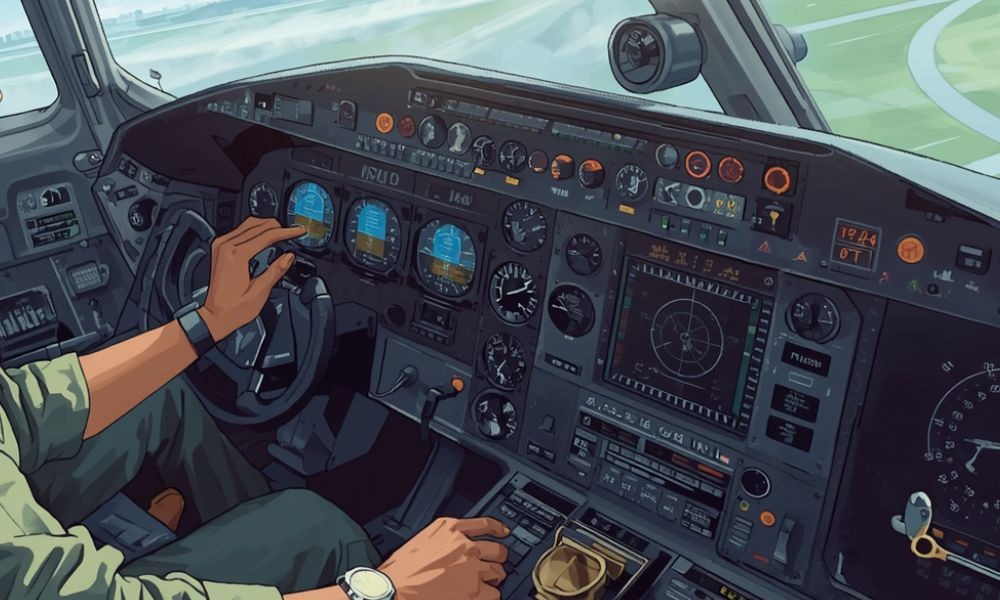
Technical knowledge aviation concepts are expected to be understood, not erratic writing of memorized definitions.
Candidates should review the complete DGCA syllabus and subjects for pilot training in India covering principles of flight, aircraft systems, meteorology, navigation, flight planning and performance, air regulations and instrument procedures. Alongside that, brushing up on how to clear DGCA exams in India 2026 will help you approach each subject with the right exam strategy. A solid applicant is able to explain how a system functions, what occurs when a system fails and how the crew should respond.
Situational Awareness and Judgement
Basically, situational awareness is about the ability to comprehend what is going on and its implications with regard to a chain of events that has happened and could happen when different players on board come together. They have to keep an eye on the aircraft & weather, traffic & fuel, terrain & automation & workload at the same time.
While worse weather and the more extensive use of fuels can help, options for safe may reduce due to congestion. A dismissive pilot sees it coming, and thinks about diverting before the engines really start to rumble.
A technical snagger, low fuel, unstable approach, schedule pressure or sick passenger are also the types of questions recruiters too will be asking your candidates. Airlines like to make reasoned decisions based around processes, facts and risk assessment. Maturity is in knowing when to hold, make a diversion be around or call for help.
Communication and Aviation English
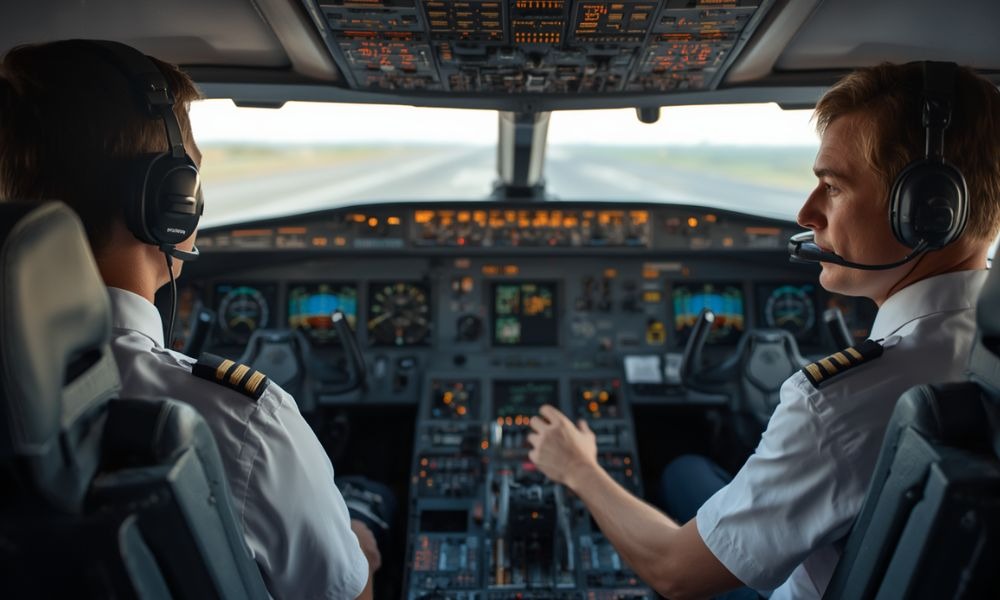
Communication is another important answer to the question of what skills pilots need to get hired. However, even a technically competent pilot will be unsafe if they take instructions that are vague or misunderstood.
Pilots have communicated with controllers, crew and engineers & dispatchers. Effective language should be clear, precise, and confident. Listening is also an important part because many of those clearances begin but hearing your words, and not holding them.
Applicants must work on accent clarity, proper phrase usage, listening skill and speaking confidently in an interview context. No foreign accent is needed because clarity matters most.
Crew Resource Management
Crew Resource Management (CRM) is the effective use of people, procedures, equipment and information to sustain safety. It involves collaboration, management of people and tasks, networking, choice-making and settling disputes.
While respecting cockpit hierarchy, a first officer must be able to challenge an unsafe decision. Airlines are wary of applicants who they see as overbearing or timid or uncooperative. A great pilot understands how to contribute, actively listens and welcomes constructive feedback.
Stress Management, Emotional Intelligence and Leadership
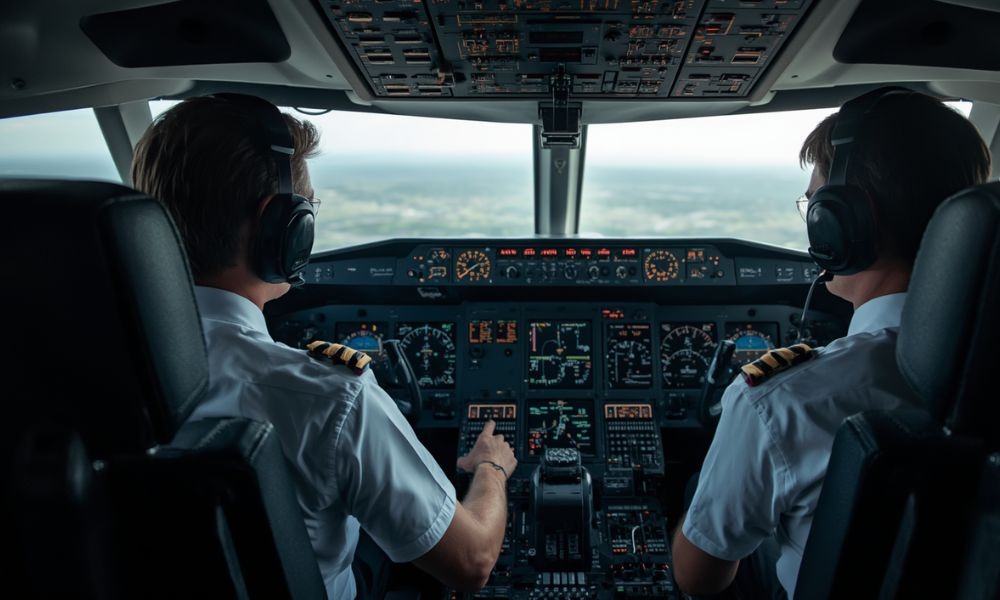
Leadership and Effective Followership
Setting priorities, encouraging valuable input and making timely decisions when required are the hallmarks of good leadership. In a multi-crew cockpit, followership is just as critical. A junior pilot should be able to support the captain, observe him/her closely and raise issues with courtesy whenever safety might be jeopardised.
Emotional Intelligence
The psychological aspect of emotional intelligence helps the growth of pilots who know how to get criticized calmly, cope with frustration and know how to work amicably with people from diverse backgrounds. Good recruiters want candidates who actively listen, take feedback and are not defensive. They show maturity, cooperation and a willingness to learn.
Stress Management
Flying could have adverse weather, technical issues and fatigue plus schedule pressure to be another place in a set time period. A good stress management regime is to prioritise your work, to use checklists, share the load with others and ask for help when you need it. Recruiters expect pilots to work under some level of pressure, but they want the assurance that stress doesn’t impair decision making, communication or flying.
Procedural Discipline and Safety Awareness
Airlines depend on standardisation. As a matter of fact, candidates should respect checklists; call-outs; aircraft limitations; stabilised approach criteria; company procedures and regulatory compliance.
The recruiters may turn down the candidates who might be deserving but are not serious about processes. Safety awareness is the ability to identify hazards early on, raise issues transparently and refuse to take unnecessary risks.
Weather, Automation and Manual Flying
Monsoon rain, thunderstorms, fog, extreme temperatures and quickly deteriorating visibility are some of the challenges Indian pilots may face during their flight. Able to interpret conditions presented in weather reports and explain its effects on the choice of routes, fuel, alternates and approach decisions.
Modern aeronautical technology is extremely high-tech but the pilot must really know how far modern automation will take him/her. They must choose correct modes of choice, keep vigil on changes and identify wrong inputs. Automation assists the crew but does not supplant active observation. Manual-flying ability and properly controlled flight will also count for airlines.
Simulator, Aptitude and Interview Skills
These mathematical and simulation-based assessments, along with interviews, expand how airlines can assess how candidates think, communicate and perform under pressure. Understanding the value of simulation training for pilots — its benefits, cost and real-world accuracy can help you make the most of every hour you spend in the sim before your airline assessment.
· Simulator evaluations: Here recruiters will check aircraft handling, instrument scan, checklist discipline, communications, and CRM (which also means workload management).
· A recovery after an error: Strong candidates calmly admit minor mistakes, fix them and move on without getting defensive.
· Aptitude testing: Tests may include hand-eye coordination, spatial awareness, numerical reasoning and memory, concentration and reaction speed.
· Interview performance: talk in straight lines, answer the actual question using concise examples, and speak with confidence.
· Professional integrity: If you don’t know the answer to a question, say so instead of pretending that you’re an expert or making up nonsense.
Airlines do not expect candidates to be perfect. They value calmness, honesty, learning from mistakes and abilities aligned with the cognitive and interpersonal skills necessary for safe airline operation.
Professionalism, Integrity and Trainability
So much faith is bestowed on the pilots by an airline. Candidates are required to keep their logbooks up-to-date, report difficulties in training truthfully and ensure that licences, ratings and medicals stay valid.
Punctuality and respectful communication matter. Recruiters like to see candidates who accept feedback, make corrections and not repeat mistakes.
Preparing for Recruitment in India
Keeping DGCA licences and ratings current, maintaining an accurate logbook, holding a valid DGCA pilot medical certificate and revising technical subjects with regular flying practice are all important steps before vacancies are advertised. It also helps to plan early by understanding the full pilot course fees and duration in India 2026 so that your training investment is aligned with your recruitment timeline.
Organise your documents, prepare for the simulator sessions in an efficient way and follow official airline career pages. Theoretical and flight proficiency is required to maintain CPL.
Final Thoughts
So what does it take to get hired as a pilot? A blend of skills including aircraft-handling ability, technical knowledge, communication, situational awareness, judgement and teamwork is in demand by airlines.
They also evaluate on integrity, emotional stability, procedural discipline and willingness to learn. Getting a DGCA licence is only the first step for Indian applicants. Preparing for employability is a continuous process and transparent self-assessment and professional etiquette go a long way in ensuring it.
The best candidate is not always the one that lands most smoothly or goes through a vocabulary enhancement program. It is the pilot that an airline can rely on to learn, work together and guard safety in every flight. Understanding pilot salary in India 2026 — CPL vs ATPL across airlines and aircraft types gives you a clear picture of what this career can offer once you clear that final hiring hurdle. And if you are a foreign-trained Indian pilot still working through your licence conversion, the best pilot licence conversion academy in India 2026 is the right place to start before you begin preparing for airline recruitment.
Frequently Asked Questions
Do Pilots Need to be Great at Maths? Pilots require practical maths skills for fuel, time and distance calculations performing navigation and performance calculations. We don’t employ high level mathematics every time we fly, but a degree of numerical confidence is useful.
Does Having a Type Rating Get You an Airline Job? No. A type rating may enhance your chances, but airlines still evaluate technical knowledge and simulator performance along with communication skills, CRM and overall fit.
Can A Shy Person Be A Pilot? Yes. You don’t have to be an extrovert at every gate; there has to be some cohesiveness, with pilots communicating clearly and raising safety issues.
For a New CPL Holder: What Can I Do to Become More Hirable? Simulators can supplement technical knowledge, improve aviation English, boost simulator performance, enhance interview skills as well as refine documentation and overall professional discipline for fresh pilots.