
One of the first important steps for every aspiring aviator is to choose the correct pilot licence. At first, aviation appears to be a tough pill to swallow for newcomers. This is, of course, followed by examinations and subjects in medicine and ground-school, hours required to be logged before being able to take a practical test, payment for lessons and all sorts of strange abbreviations.
PPL and CPL are two other major common abbreviations among these. The Private Pilot Licence is primarily for the purpose of recreational flying and the Commercial Pilot Licence is for those who want to make an income as a professional pilot.
PPL Vs CPL: What Is Better For You? Growing Focus Area List Training can assist you in avoiding needless costs and selecting a training path that fits your goals.
PART 1 Why You Should Choose The Right Pilot Licence
Becoming a pilot is time consuming, laborious and extremely expensive. Before committing, it helps to understand the full pilot course fees and duration in India so you can plan your finances realistically. An early bad course could cost you a little more money or push your aviation goals further away from your timeline.
For example, a student who only desires to fly for personal pleasure may not require the professional training necessary with a CPL. Conversely, a person aspiring to become an airline pilot, charter company employee or flight school instructor will require levels that exceed that of a PPL.
Thus your selection should be aligned more with the long term goals rather than just the prestige factor of a particular licence.
What Is Private Pilot Licence?
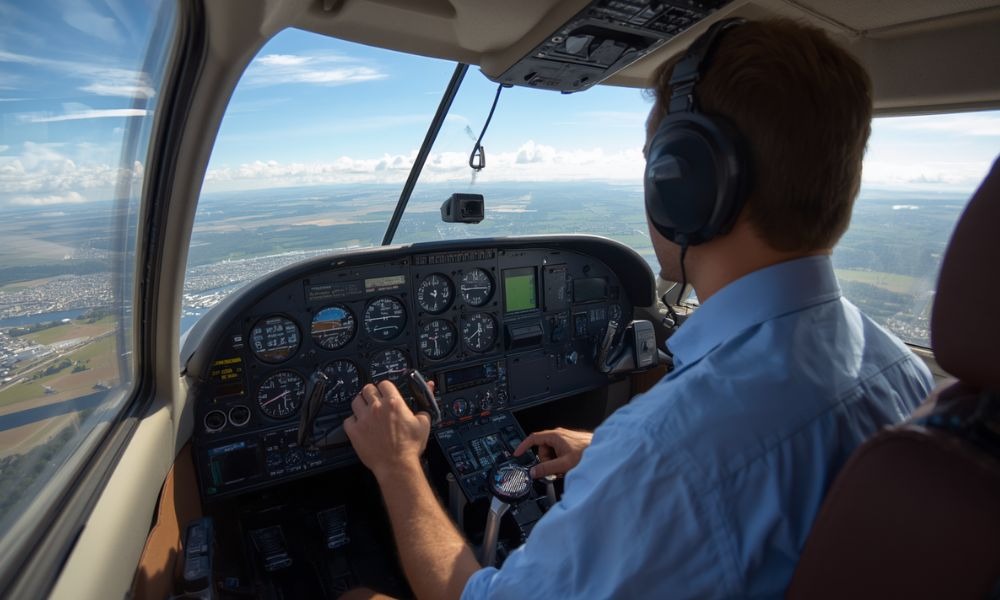
Known as PPL (Common abbreviation for Private Pilot Licence) that an individual can fly appropriate aircraft, and perform private and recreational purposes.
If you hold a PPL, you can typically fly others as well and cross from airport to airport or just fly for fun, but must abide by the DGCA commercial pilot licence requirements in India and the guidelines set forth by the local civil aviation authority.
On the other hand, a PPL does not usually enable their pilot to be paid when flying. Thus makes it better for hobby pilots, plane owners and those looking to dip their toe in approved aviation before following through with a paid job.
Commercial Pilot Licence (CPL) Explained
The Commercial Pilot Licence, or CPL, allows pilots who hold this rating to be compensated for different types of flying jobs.
CPL holders can seek employment in areas such as charter work, flight training, aerial survey, cargo transportation and other commercial aviation services. Specific positions could still need additional ratings or experience.
Commercial training surpasses that of civilian training. A higher level of precision and domain theory and more weight-age to their decisions is expected from students.
PPL AND CPL: The Primary Difference
The basic distinction between a PPL and CPL is related to the nature of flying.
A PPL is for private use only. A CPL is for professional aviation purposes.
Both types of licences require formal lessons, theoretical training and practical tests. But commercial training generally has more hours in the air, tougher medical standards, and higher performance pressure.
Who Should Choose a PPL?
A PPL may be the right choice if you want to:
- Fly for recreation
- Take friends or family on private flights
- Travel in a small aircraft
- Experience pilot training before choosing a career
- Build a foundation for advanced licences later
For many beginners, a PPL is the most accessible entry point into aviation.
Who Should Choose a CPL?
A CPL is more suitable for students who want to build a professional flying career.
You should consider commercial pilot training if you hope to become a:
- Charter pilot
- Flight instructor
- Cargo pilot
- Corporate pilot
- Aerial survey pilot
- Airline pilot
A CPL is an important professional qualification, although it does not automatically guarantee employment. Wondering what these roles actually pay? See the detailed breakdown of pilot salaries in India for 2026 across CPL and ATPL holders.
It is also worth noting that aspiring students from a commerce background can pursue a professional pilot career in India, even without a physics background at the 12th standard level.
Why Local Aviation Requirements Matter
Pilot licence rules differ by country and aviation authority. The minimum flight hours, medical standards, examination procedures and DGCA syllabus requirements and training costs may differ by a significant margin from region to region.
It is however important that students always consult with their national civil aviation authority for further clarification of the appropriate regulations.
Local weather, availability and types of aircraft can also affect the pace of completion of training.
Comparing Local Flight Schools
A good flight school can make a big difference in your progress.
Prior to enrolling, verify the official approval from the school and check if they have adequate aircraft and instructors available. For a curated list of DGCA-approved flying institutes in India for 2026, you can compare your options before making a commitment. Find out how often students are able to book lessons and if weather-related cancellations are frequent.
Compare total cost of the training, not just the hourly rate.
PPL training is also cheaper in the overall sense as it takes fewer hours to solo and requires less advanced instruction.
CPL training is often significantly more expensive. This is the cost of hour building, advanced ground school, examinations, medical certificates and extra ratings that students will have to pay for.
Before starting either course it is very important to have a clear budget.
PPL and CPL Students: Medical Requirements
Early screening for medical eligibility is essential.
Various classes of medical certification are required of private pilots and commercial pilots. However, the medical requirement is usually stricter for commercial applicants. It is advisable to complete the DGCA pilot medical test before making any major financial commitment, to avoid financial and emotional turmoil later.
PPL Vs CPL: Which is the Right Choice for Recreational Flying?
If you are going to fly recreationally, the PPL is typically the best choice.
It offers you the training and privileges to fly aircraft privately without the extra investment required for commercial qualification.
If a student’s interests are dynamic, they may add ratings or progress toward a CPL later on.
PPL Vs CPL: Which is the Better Choice for Your Pilot Career?
CPL is the path of choice for a professional aviation career.
It enables pilots to find compensated flight gigs and move further along their path towards advanced flying positions. In the case of aspirant airline pilots, they would also need an instrument rating, multi-engine qualification and more flight hours.
Therefore the CPL must be regarded in a wider career pathway.
Conclusion
No one pilot licence is better than the other. The correct method depends on your reason to fly!
Select a PPL if your intent is personal pleasure or travel for recreational use, or as an introduction to aviation. Pick a CPL if you plan to make money as a pilot and have the extra training, cost, and responsibility.
PPL Vs CPL: Which Pilot Licence To Choose? This question is easier to answer when you are clear on your goals, look at local training options and put together a realistic budget.
FAQs
What’s the primary difference between PPL and CPL?
A pilot may be compensated for professional flying activities including charter services, cargo transport, and flight training with a Commercial Pilot Licence (CPL).
Can I get a PPL and then a CPL?
Yes. Many pilots start with a PPL to acquire experience and then get a CPL after further flight hours, theoretical instruction, and medical and regulatory requirements. If you are planning this path, it is worth reading up on how to clear DGCA exams in India to understand what the examination process involves.
Which licensing costs more, PPL or CPL?
Due to its greater flying hours, training, certifications, and operating requirements, the CPL costs far more than the PPL.
Do PPL and CPL need medical fitness tests?
Both licenses need medical certification, however CPL holders must fulfil greater medical criteria owing to commercial flying’s professionalism.
Can I become an airline pilot with a CPL?
No. A CPL is necessary, but airline pilots also need instrument rating, multi-engine certification, and more flying hours. Many candidates build additional proficiency through simulation training, which is a cost-effective way to log instrument and multi-engine practice before the actual flight tests.