In the journey to become a pilot, earning a Commercial Pilot Licence feels like the moment everything becomes real. In practice, it is the beginning of a more demanding phase. Students often ask: how many flight hours do you need to get hired? The answer depends on the class of licence, the type of vacancy, the employer’s requirements, and the quality of experience built during training.
Flight hours represent practical exposure. They show that a candidate has operated an aircraft, communicated with ATC, assessed weather and followed standard operating procedures. But airlines do not hire on a single raw number. Technical knowledge, medical fitness, simulator performance, communication skills and professional behaviour carry equal weight.
CPL Minimum Flight Hours in India
The DGCA requires applicants for a Commercial Pilot Licence on aeroplanes to have completed at least 200 flight hours. These hours must include specific quantities of pilot-in-command time, cross-country flying, instrument flying and night flying. Applicants must also satisfy DGCA CPL requirements covering regulatory, examination and medical eligibility before the licence is issued.
The 200-hour mark is what most Indian flight students work toward. It is a licensing threshold not a job guarantee.
How many flight hours you need to get hired cannot be answered by the CPL minimum alone. A candidate may reach 200 hours and still wait for the right opening, particularly if their credentials are thin or their simulator and technical performance has not been tested rigorously.
Is a 200-Hour CPL Sufficient for an Airline?
Recent CPL holders with approximately 200 hours may be eligible for selected trainee pilot or junior first officer positions. Eligibility depends entirely on the role. Recruitment pathways exist for low-hour pilots as well as experienced first officers, and the two are very different.
Indian airlines typically require:
- A valid DGCA-issued CPL
- A current Instrument Rating
- A Multi-Engine Rating
- A valid Class I medical certificate
- Radio telephony credentials
- The required aviation English proficiency
- A valid aircraft type endorsement, where applicable
Air India’s published co-pilot criteria, for instance, include professional licensing, an Instrument Rating and Class I medical fitness, along with relevant aircraft credentials.
A new pilot with around 200 hours could enter an appropriate selection process, but would not be eligible for every airline vacancy. Understanding what a CPL in India actually qualifies you for — beyond the licence itself, it helps candidates set realistic expectations before applying.
Cadet Pilot Programmes in India
Cadet programmes operate on a different model. They take selected students from initial training through to airline readiness, meaning candidates can apply before completing commercial flight training.
The Air India Cadet Pilot Programme, for example, assesses applicants on academic background, age, citizenship, English language proficiency and medical fitness. Candidates are not expected to arrive as certified commercial pilots — their flying experience is built during the programme itself.
In this context, the answer to how many flight hours you need to get hired may initially be zero. Admission is competitive, training is demanding, and employment after completion depends on the airline’s operational requirements at that time. Air India has stated that successful candidates receive offers based on the needs of the airline group.
Cadet programmes offer a structured pathway, but students should examine costs, financing options, training locations, medical requirements and the precise terms of any employment offer before applying.
First Officers With Type Rating Training
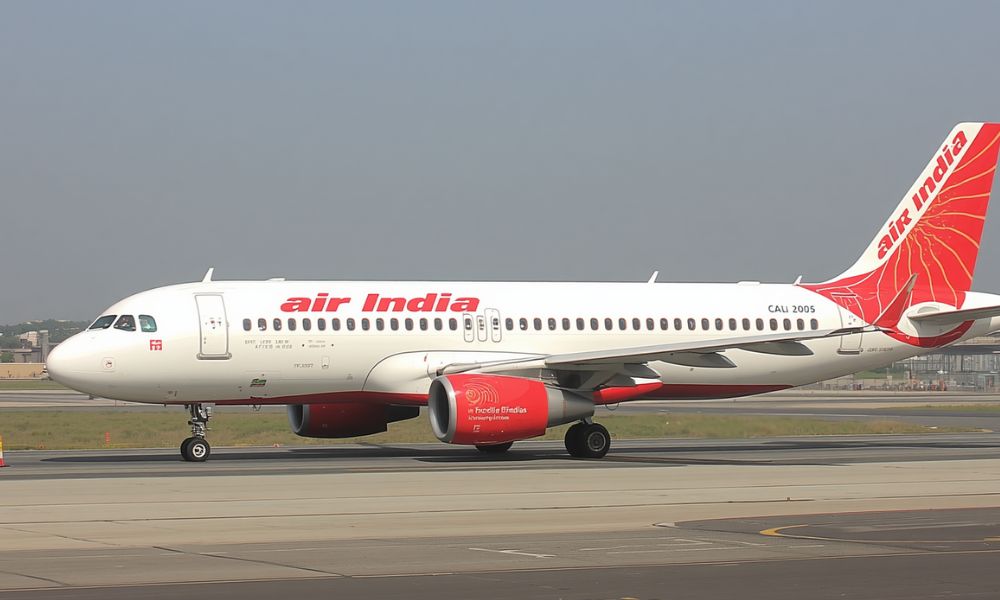
A type rating qualifies a pilot to fly a specific aircraft such as the Airbus A320 or Boeing 737. More experienced first officer roles may require a type rating and a minimum number of hours on that aircraft after line release.
Air India, in May 2026, advertised an A320 co-pilot vacancy requiring a minimum of 500 hours on the Airbus A320 family after line release. This figure relates to one specific experienced-pilot vacancy and should not be read as a standard minimum for all first officer positions in India.
Roles range from trainee pilots and newly type-rated pilots through to experienced and senior first officers. Candidates should always refer to official vacancy notices rather than figures circulating on social media or through unofficial training centres.
Hours Required to Become a Captain
Command positions carry a different set of requirements entirely. Candidates typically need an Airline Transport Pilot Licence, substantial total hours, significant pilot-in-command time, and current aircraft type experience and proficiency checks.
Air India’s published captain requirements include a valid ATPL, a current Instrument Rating, proficiency checks, a Class I medical and radio telephony credentials.
The flight hours needed to reach a command role are in a different category from entry-level hiring. Captain positions are for pilots with deep operational experience, leadership capability and aircraft-specific knowledge built over many years.
The Type of Flight Time: Why It Matters
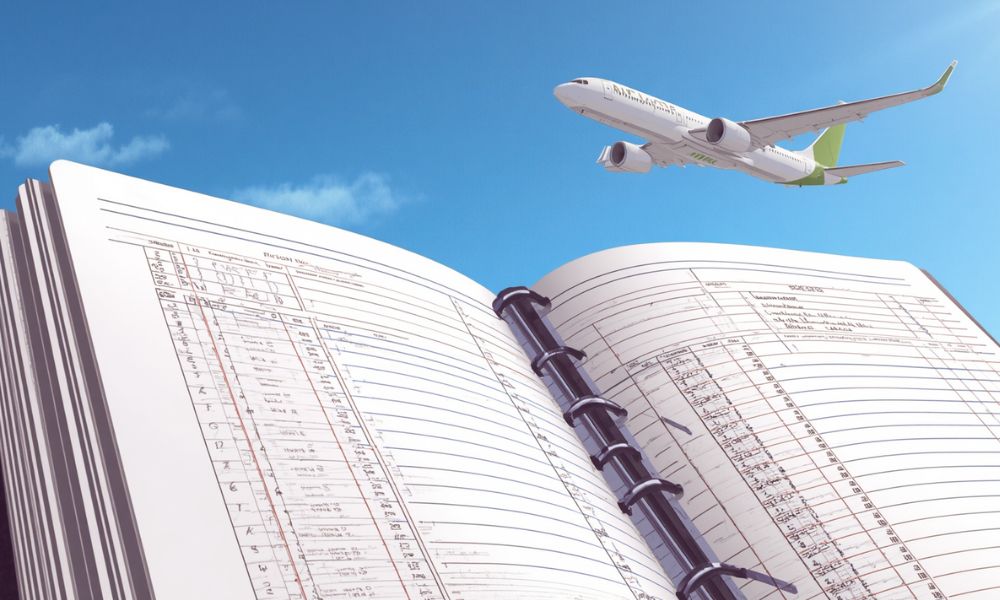
Total flight time is only one element of a pilot’s logbook. Airlines often examine how those hours were accumulated.
Pilot-in-Command Time demonstrates responsible decision-making and ownership of the aircraft. It builds independence, situational awareness and sound judgement.
Cross-Country Flight Time develops navigation, route planning, fuel management and weather assessment. It also exposes students to different airports, airspace environments and ATC procedures.
Instrument Flight Time reflects a pilot’s ability to fly accurately when visual references are limited. In commercial aviation, instrument procedures must be followed consistently in changing weather and reduced visibility.
Multi-Engine Experience introduces more complex aircraft systems and engine-failure handling. This is directly relevant for pilots targeting airline or charter operations.
Night Flight Time builds instrument discipline, spatial awareness and operational confidence, and prepares students for the irregular schedules of commercial flying.
Two candidates with 200 hours can differ significantly in ability. One may have stronger instrument currency, more disciplined flying habits and better multi-engine exposure. Purposeful experience outweighs raw hours logged without structure or intent.
What Indian Airlines Evaluate Beyond Flight Hours
The airline selection process typically includes written examinations, aptitude tests, psychometric assessments, group discussions, interviews, document verification and simulator evaluations. Meeting the minimum flight hours satisfies an eligibility condition — it does not guarantee successful performance in any of these stages.
Recruiters commonly assess candidates on:
- Flight instrumentation and systems knowledge
- Meteorology and navigation
- Aviation regulations
- Performance calculations
- Standard operating procedures
- Communication and aviation English
- Teamwork and workload management
- Decision-making under pressure
Simulator training is one of the most effective ways to prepare for this stage. Airlines use simulator evaluations to assess instrument scanning, procedural accuracy and crew coordination under realistic conditions and candidates who have practised these skills in a structured environment consistently perform better than those who have not.
A strong logbook will not compensate for poor decision-making, weak communication or an inability to work effectively alongside another pilot.
Low-Hour Pilot Jobs in India
Jobs do exist for low-hour pilots, though availability depends on market conditions. Options include cadet programmes, trainee pilot roles, flight instructor positions and selected charter or general aviation jobs.
A flight instructor role allows a pilot to build hours while developing communication and decision-making skills. However, instructor ratings carry their own eligibility requirements. The DGCA requires a minimum of 250 total hours for an Assistant Flight Instructor Rating, along with additional specific criteria.
Candidates should avoid intermediaries promising guaranteed airline placements. Apply only through official airline career portals or verified recruitment channels.
How to Choose a Flying School in India
The quality of the Flying Training Organisation has a direct impact on how efficiently a student accumulates the required hours. Before enrolling, investigate aircraft availability, instructor capacity, maintenance reliability, fee transparency and average training completion time. A list of DGCA-approved flying institutes in India provides a useful starting point for comparing verified options.
The DGCA’s ranking framework for approved Flying Training Organisations includes completion time as a performance indicator – how long, on average, students take to complete the required flying experience.
A school advertising a low rate is not automatically the cheaper option. If aircraft are frequently unavailable or flights are regularly delayed, the true cost of training rises considerably. Consistent, well-managed flying hours matter far more than a low advertised hourly rate.
How to Strengthen Your Chances of Getting Hired
Maintain an accurate logbook and keep all licences, ratings and medicals current. Prepare thoroughly for technical examinations and interviews. Build confidence in aviation English, radio communication and knowledge of the aircraft types operated by your target airlines.
Use simulator sessions to sharpen instrument scanning, procedural accuracy and crew coordination. The objective is genuine competency not rote rehearsal of checklist sequences.
The Indian aviation market moves in cycles. Fleet expansion periods bring increased recruitment; operational and economic uncertainty can slow it. Staying consistently prepared means that when the right vacancy opens, you are already ready.
Final Answer
India requires approximately 200 flight hours for a Commercial Pilot Licence, but this alone does not secure an airline position. Cadet programmes may accept candidates with no prior flying hours. Low-hour CPL roles are available in some market conditions . Experienced first officer positions typically require type-rated hours on a specific aircraft. Captain roles demand considerably more. The answer to how many flight hours you need to get hired varies by role, airline and timing.
Qualifications, technical knowledge, communication, discipline and judgement matter just as much as the number in your logbook. Understanding what pilots in India earn across CPL and ATPL levels can also help you map the financial reality of each career stage before committing to a training path.
Read official vacancy notices, keep your credentials current and build hours with purpose not just to reach a number.