
When professional pilot training comes at the cost of time and money, choosing aviation as a career is quite a big decision to make. Before committing, it helps to get a clear picture of pilot course fees and duration in India so you understand what the investment actually involves. For aspiring pilots in India, opportunities reach well beyond the cockpit of one carrier. The list below covers 15 highest-paying jobs for flight school students in 2026: passenger, cargo, corporate, helicopter, instruction, air traffic control, safety and drone management.
India is witnessing a significant boom in aviation workforce growth. The Ministry of Civil Aviation stated in November 2025 that the country may need around 30,000 pilots in the next 15 to 20 years. It has also launched a biannual ranking of DGCA-approved Flying Training Organisations for greater transparency in helping students compare training providers.
The salary figures referred to below are indicative and not guaranteed. Compensation differs depending on employer, aircraft type, flight hours, licence held, location, allowances and experience.
The Need for Flight Training and Why It Is Worth the Money
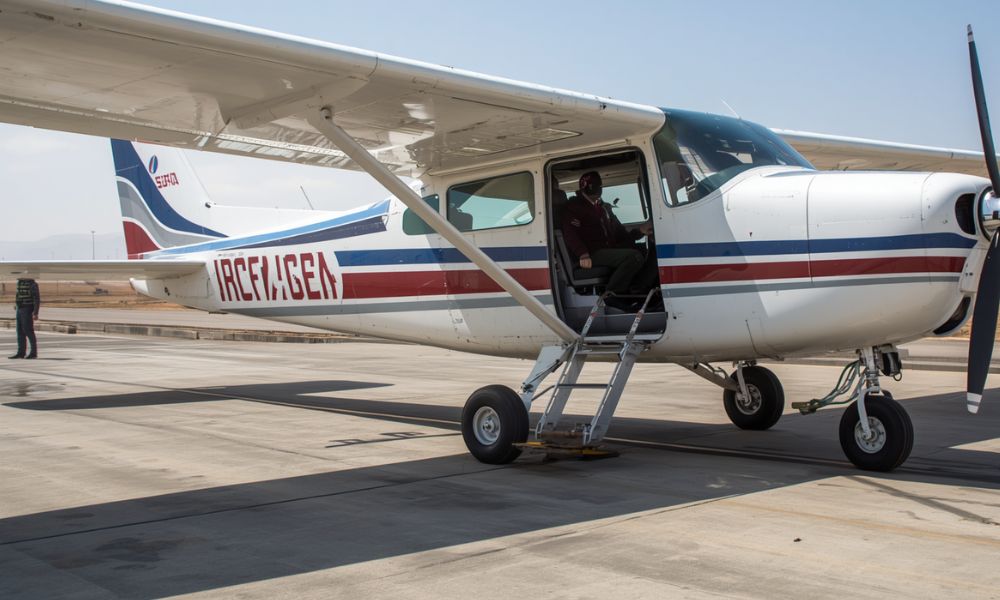
Flight school builds skills in aerodynamics, aircraft systems, meteorology, navigation, air regulations, radio communication, cockpit procedures and human performance. The same competencies support flying as well as non-flying aviation careers.
To obtain a Commercial Pilot Licence in India, an applicant must have reached the age of 18, passed 10+2 or equivalent with Physics and Mathematics, and fulfilled medical, exam, training and flying stage requirements.
Airline Captain
As a professional pilot, the most rewarding long-term career is usually airline captain. Captains are responsible for the overall operation of passenger aircraft, oversee crews, make operational decisions and retain ultimate responsibility for safety.
This position requires an Airline Transport Pilot Licence, experience across multiple aircraft type-ratings and years of reliable service. According to pilot salary data in India for 2026, experienced captains may earn ₹50 lakh or more annually, though packages vary widely.
Commercial Airline Pilot
Most commercial airline pilots begin as first officers. They assist with flight planning, heading and altitude selection, radio calls, checklists, systems monitoring and decision-making.
Even after flight school, this remains one of the most sought-after careers because it offers a clear progression path, travel opportunities and strong long-term earning potential. Most candidates undergo additional simulator training and obtain an aircraft type rating before being hired by an airline.
Corporate Jet Pilot
Corporate pilots fly company executives, private clients and high-profile passengers on schedules that suit those they serve. The work involves upscale business jets, personalised service, non-commercial travel routes and often rapidly changing itineraries.
Highly experienced long-range aircraft pilots can earn top salaries. They must be versatile, discreet, client-oriented and ready to operate out of smaller airports with limited ground infrastructure.
Cargo Airline Pilot
Cargo pilots carry parcels, medical supplies, industrial equipment and other freight. Most cargo flights operate at night, but the field offers competitive salaries and opportunities to fly larger aircraft.
The air cargo field is becoming increasingly compelling given the growth of India’s e-commerce and logistics industries. It may appeal to pilots who enjoy operational flying but prefer not to work in direct passenger service.
Helicopter Pilot
Helicopter pilots serve tourism, offshore transport, emergency medicine, surveying, rescue, infrastructure projects and VIP travel. Rotary-wing flying requires specialised training and precise aircraft control.
The strongest salaries in this field typically come from demanding roles such as remote site operations, offshore rigs, emergency response and corporate travel.
Flight Instructor
The flight instructor trains student pilots, demonstrates manoeuvres, maintains safety oversight, conducts pre-flight briefings and prepares candidates for flight tests.
While the pay may be lower than airline flying, instructing is an effective way to log flight hours while building technical knowledge. Experienced instrument instructors can move into examiner, management, simulator or airline training roles.
Air Traffic Controller
Air traffic controllers direct aircraft, issue clearances, ensure safe separation and manage traffic in and around busy airspace. This is a ground-based role, though flight training experience is a useful foundation.
In a 2025 recruitment advertisement, the Airports Authority of India listed an annual CTC of ₹13 lakh for Junior Executive posts in Air Traffic Control, along with associated benefits.
Aircraft Dispatcher
Airline dispatchers work alongside pilots to plan safe and efficient flights. They assess weather, routes, fuel parameters, aircraft limitations, airport conditions and operational risks.
Major airlines typically reward accumulated experience because dispatcher decisions directly affect safety, on-time performance, fuel efficiency and operating costs.
Aviation Safety Officer
Aviation safety officers collect hazard data, investigate incidents, assess regulatory compliance and improve risk-control processes. They may work for an airline, airport, charter company, maintenance organisation or training school.
Flight experience reinforces their understanding of cockpit workload and operational reality, supporting progression into senior safety and compliance leadership roles.
Flight Operations Manager
Flight operations managers handle crew scheduling, route documentation, regulatory compliance and operational disruptions. The role combines meticulous planning with safety-critical judgement.
It typically suits experienced pilots who want a leadership position while remaining close to aircraft operations.
Drone Pilot and UAV Specialist
Drone pilots work across agriculture, mapping, construction, filmmaking, inspection, disaster response, logistics and security operations.
In 2025, government data showed that India had more than 26,000 Remote Pilot Certificates and 172 Remote Pilot Training Organisations, demonstrating how rapidly the drone ecosystem has expanded.
Aviation Consultant
Aviation consultants advise airlines, airports, investors, training organisations and public authorities on fleet strategy, route planning, safety compliance, operational efficiency and market expansion.
Consulting can become highly paid once an individual builds deep industry experience and commercial credibility. Pilots with additional backgrounds in business, finance, engineering or data analysis may hold an advantage.
Aircraft Sales Representative
Aircraft sales representatives connect buyers, brokers, lessors and manufacturers. Flight training allows them to speak with authority on performance, range, operating costs, cabin capability and mission suitability.
Where commission forms part of the package, successful business jet or airline sales professionals can earn six-figure incomes.
Aviation Manager
Aviation managers lead teams at airlines or airports across departments covering ground operations, customer service, safety systems and commercial activities. Pay typically increases with broader responsibility and organisational scale.
A flight school background enables managers to better understand how operational decisions affect pilots, aircraft, passengers and airport performance.
Simulator Instructor
Simulator instructors train pilots in normal operations, instrument flying, system failures, adverse weather and emergency scenarios. They develop crew competency without placing an actual aircraft at risk.
For pilots with strong aircraft-type knowledge, simulator instruction can offer stable and well-paid career prospects within major training organisations.
Aviation Maintenance Management Specialist
Maintenance management roles involve coordinating inspections, engineering teams, documentation, spare parts and aircraft availability. The position typically requires a technical maintenance background beyond a pilot licence alone.
However, flight knowledge provides useful operational perspective for working with airline leadership and maintenance organisations at senior levels.
Choosing a Flight School
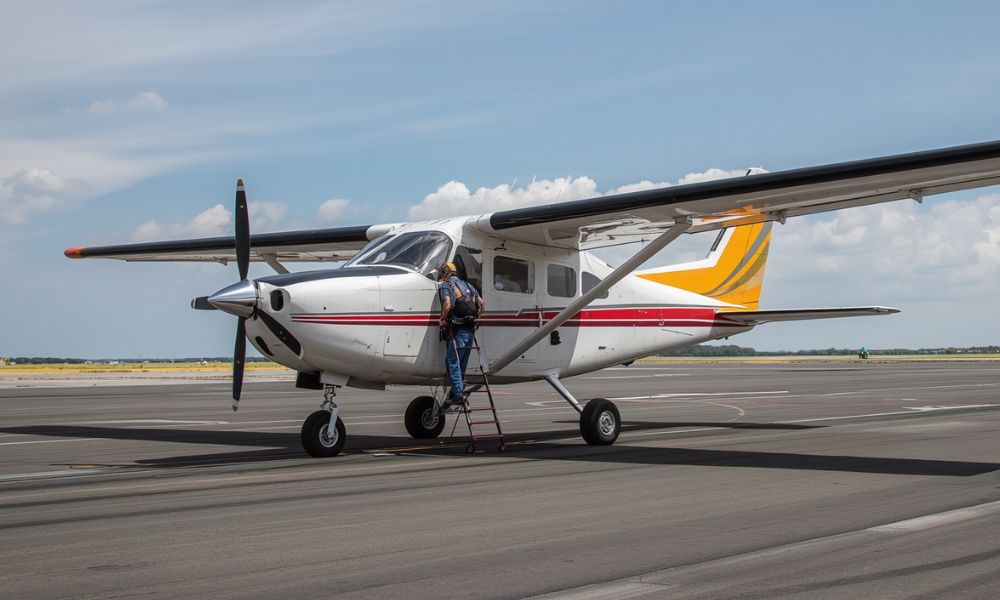
Choosing the right training organisation is a foundational step toward any of the careers listed above. Verify DGCA approval status, fleet size, instructor strength and full fee structure before committing to any school.
Never select a flight school based on the lowest advertised price alone. Aircraft shortages, instructor turnover, poor scheduling and undisclosed fees can all inflate the final cost of training considerably.
Visit the campus, speak to current students, review the training contract and confirm exactly what the quoted fee covers before making any payment.
Skills Employers Look for in Aviation Professionals
Employers want more than licences and technical qualifications. Successful aviation professionals typically demonstrate the following:
- Situational awareness — the ability to read changing conditions, spot potential threats and respond appropriately
- Clear communication — with pilots, cabin crew, air traffic control, engineers and ground staff
- Teamwork — aviation depends on coordinated effort across multiple teams to maintain safe and efficient operations
- Emotional control — composure under pressure supports sound decision-making in emergencies
- Reliability — strict schedules make time management essential across every aviation role
- Technical curiosity — eagerness to learn about aircraft systems, new technologies and evolving operations supports long-term advancement
- Sound judgement — aviators must weigh information carefully and act responsibly with safety as the priority
- English language proficiency — aviation manuals, exams, radio communications and international operations are all conducted in English
- Digital competence — modern cockpits, flight-dispatch systems, simulators and UAVs all rely on software and data tools
Final Thoughts
The 15 highest-paying jobs for flight school students in 2026 are proof that training for a career in aviation is just the beginning. For many students, airline captain remains the highest goal on the earning scale, but there is substantial room for career growth in corporate aviation, cargo flying, instruction, air traffic control, dispatch, safety, management and the drone sector.
High earnings rarely arrive immediately. They are built through completed training, maintained medical fitness, additional ratings, accumulated experience and consistent performance across recurrent assessments.
With the right flight school and realistic expectations, aspiring aviators can establish a long and rewarding aviation career that delivers both professional respect and financial security.