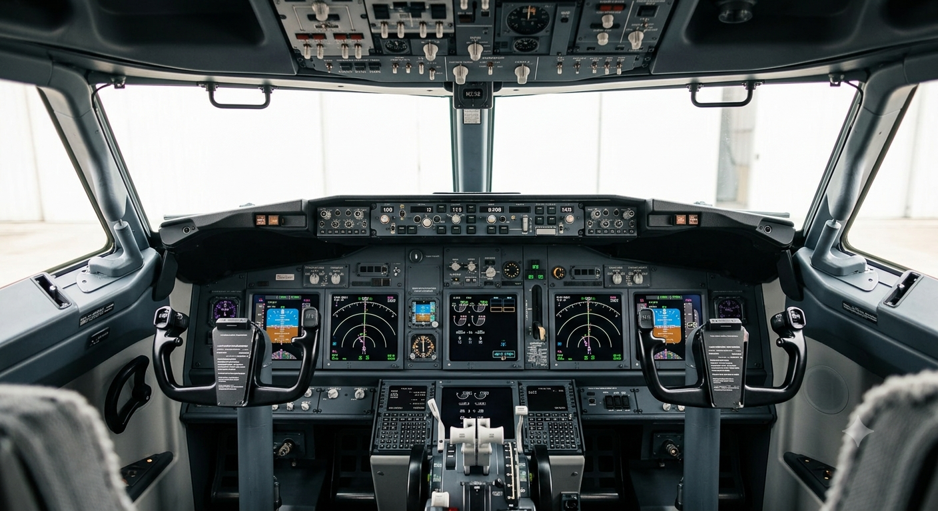
What Is CPL Ground Training?
So you’ve decided to pursue your Commercial Pilot License. Before you spend serious hours in the cockpit, there’s a less glamorous but equally critical phase waiting for you: ground training. It doesn’t get the same attention as actual flying, but it shapes how prepared you’ll be once you’re in the air.
Here’s what it actually involves and how to get through it without losing your mind.
CPL ground training is the classroom-based theory component of becoming a commercial pilot. While flight training teaches you to handle an aircraft, ground school teaches you why you’re doing what you’re doing: the science, regulations, and systems behind every maneuver you’ll eventually perform. You can’t sit for your CPL exams, and in most cases can’t even progress meaningfully in flight training, without completing this theoretical groundwork first.
It helps to think of it as the foundation rather than a formality. A pilot who understands why an aircraft behaves a certain way in turbulence, or why a particular airspace has specific entry rules, flies with more judgment than one who has simply memorized checklists. Skip ground school or rush through it, and everything you build on top, including your actual flying skills, ends up shakier than it should be.
Key Subjects You’ll Study
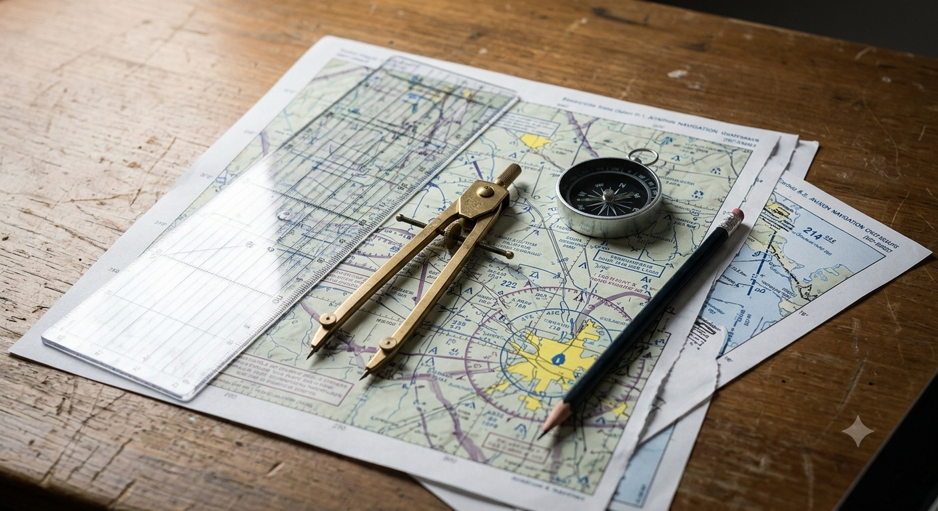
CPL ground training typically covers five core subjects, and each one is tested separately by the regulator.
Air Navigation deals with plotting routes, calculating fuel requirements, correcting for wind, and reading charts accurately. Aviation Meteorology covers weather systems, cloud formations, and how atmospheric conditions affect flight safety. Air Regulations lays out the legal framework governing aviation, including airspace rules and licensing requirements.
Technical General and Technical Specific go into aircraft systems, engines, and the aerodynamics that keep everything functioning. Radio Telephony, often shortened to RTR, focuses on standard phraseology and procedures used in air-to-ground communication.
Most students find Navigation and Technical the toughest of the five, simply because both rely heavily on calculations rather than memorization. If you’re someone who’s more comfortable with concepts than numbers, these two subjects will likely demand the most consistent practice.
How Long It Takes
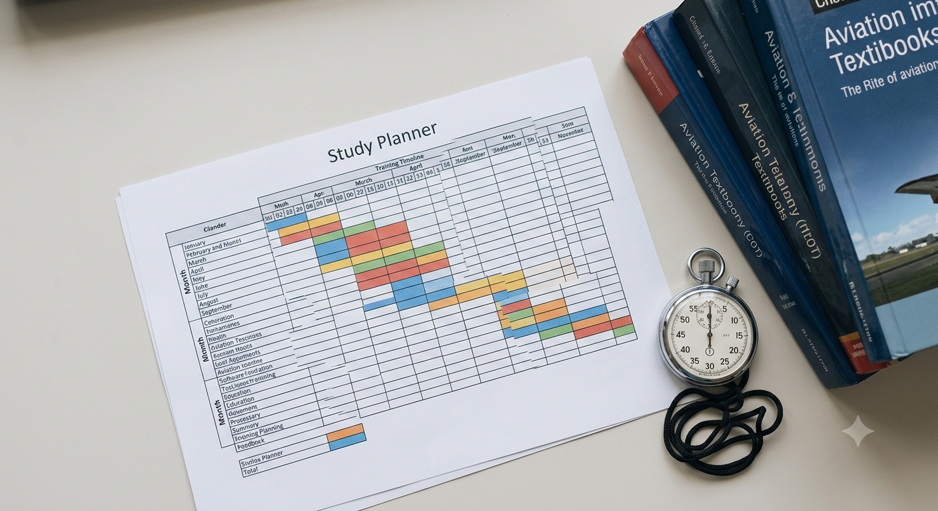
Most CPL ground training programs run anywhere from six to twelve months, depending on whether you’re studying full-time or balancing it alongside flight hours. Some institutes offer accelerated tracks that compress this into a few intensive months, though that route usually means long study days with little room to breathe.
Your actual timeline depends a lot on how many subjects you clear on your first attempt. A failed exam doesn’t just cost you the retest, it usually means a re-study period before you’re eligible to sit again, and that can add weeks or months to your overall plan. This is why most experienced instructors recommend pacing your preparation rather than treating every exam as a one-shot attempt to get through quickly.
What a Typical Day or Class Looks Like

Ground school days usually combine lecture-style teaching with self-study blocks. A typical day might include three to four hours of classroom instruction focused on one or two subjects, followed by practice numericals, especially for Navigation, where repetition genuinely makes a difference. Many institutes also build in group discussions or doubt-clearing sessions, since concepts like meteorology or regulations are easier to retain when you talk them through with peers rather than just reading silently.
Most programs also send students home with question banks and take-home material for evening revision. A growing number of institutes now offer online or hybrid ground schools as well, letting students attend live or recorded lectures remotely and show up in person only for exams or specific practical sessions. This flexibility has made ground training considerably more manageable for students juggling other commitments.
Exams and Passing Criteria

Each subject has its own written exam, usually multiple-choice, and conducted by your country’s aviation regulator, such as the DGCA in India or the FAA in the US. You’ll typically need to score above a minimum threshold, commonly around 70 percent, to clear each paper.
Most regulators allow only a limited number of attempts within a set period before requiring you to restart the subject entirely. This detail matters more than students initially realize, since it directly affects how you should plan your study schedule. Knowing how to clear DGCA exams and the pattern most papers follow lets you budget your preparation time far more realistically instead of assuming you’ll figure it out as you go.
Tips to Get Through It Successfully
Don’t leave Navigation for the end. It’s calculation-heavy and improves with daily practice rather than last-minute cramming. Question banks are worth using seriously, since most exams tend to repeat patterns from previous years’ papers, and recognizing those patterns early gives you a real edge.
Studying in short, focused blocks tends to work better than marathon sessions, mainly because retention matters more than total hours logged. If you can manage it, form a study group. Talking through tricky concepts like meteorological systems or regulatory frameworks with peers often cements understanding faster than solitary revision. And don’t underestimate RTR practice. It feels like the lightest subject on paper, but it trips up a surprising number of students during practical communication checks, simply because they didn’t treat it with the same seriousness as Navigation or Technical.
What Comes Next: Flight Training
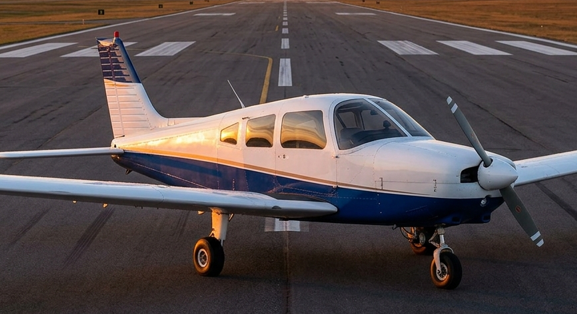
Once you’ve cleared your ground exams, you move into, or continue, flight training, where you log the actual hours required for your CPL. The theory you just spent months learning becomes directly relevant here. Understanding weather reports, working through navigation calculations, and following radio procedures isn’t academic anymore, it’s what keeps you and everyone around you safe in the air.
Many schools structure ground and flight training to overlap, so don’t be surprised if you’re still flying while finishing your last theory paper. This overlap is intentional in most programs, since the DGCA CPL requirements in India allow certain flight hours to be logged before every ground subject is cleared, provided key prerequisites are already in place.
FAQ’s
How long does CPL ground school take?
Typically six to twelve months, though intensive programs can compress this timeline significantly if you’re studying full-time.
Can it be done online?
Yes, many institutes now offer online or hybrid ground school options, though exams are usually still conducted in person through your regulatory authority.
Which subject is the hardest in CPL ground training?
Most students find Air Navigation and Technical the toughest, since both involve heavy calculations rather than straightforward memorization.
Do I need to finish ground training before I start flying?
Not always. Many schools let you begin flight training while you’re still completing ground school, as long as certain prerequisite exams are cleared first.
What happens if I fail a ground exam?
You’re usually allowed a limited number of re-attempts within a set timeframe. It’s worth checking your regulator’s specific rules early, since repeated failures may require you to restart that subject.